
HOLY GRACE POLYTECHNIC COLLEGE
Approved by AICTE, New Delhi & Affiliated to
SBTE, Kerala | Mala, Thrissur
To be a center of excellence in Computer Engineering that empowers students to achieve academic excellence, professional competence, and social responsibility.
M1: To impart strong foundational and contemporary knowledge in Computer Engineering through effective teaching–learning practices and industry–academia collaboration.
M2: To develop professionally competent graduates with problem-solving ability, ethical values, environmental awareness, and lifelong learning skills.
M3: To nurture innovation, entrepreneurship, and social responsibility by engaging students in research, projects, and community-oriented activities.
The curriculum covers the study of computers, focusing on their architecture and their applications in computation, data processing, and systems control. Computer science as a field spans both practical and theoretical aspects. On the engineering side, it involves designing computers, as well as the hardware and software that constitute computer systems. Theoretical components include the design and analysis of algorithms, system performance evaluation using methods like queuing theory, and assessing system reliability and availability through probabilistic techniques.
PEO1:
To develop industry focused skills to become successful engineers and/or entrepreneurs.
PEO2:
To transform the students to become competent professionals, to work as part of teams on multidisciplinary projects.
PEO3:
To inculcate a passion towards higher education and lifelong learning in the field of Computer Engineering.
.
PO1.Basic and Discipline specific knowledge: Apply knowledge of basic mathematics, science and engineering fundamentals and engineering specialization to solve the engineering problems.
PO2. Problem analysis: Identify and analyze well-defined engineering problems using codified standard methods.
PO3. Design/ development of solutions: Design solutions for well-defined technical problems and assist with the design of systems components or processes to meet specified needs.
PO4. Engineering Tools, Experimentation and Testing: Apply modern engineering tools and appropriate technique to conduct standard tests and measurements.
PO5. Engineering practices for society, sustainability and environment: Apply appropriate technology in context of society, sustainability, environment and ethical practices.
PO6. Project Management: Use engineering management principles individually, as a team member or a leader to manage projects and effectively communicate about well-defined engineering activities.
PO7. Life-long learning: Ability to analyze individual needs and engage in updating in the context of technological changes.
PSO1:
Use modern technology wisely to create innovative ideas and practical solutions in the professional field
PSO2:
Implement established practices and methodologies in software project management and software development, using appropriate programming environments, to deliver industry-standard products.
PSO3:
Understand the advantages and disadvantages when making design decisions.









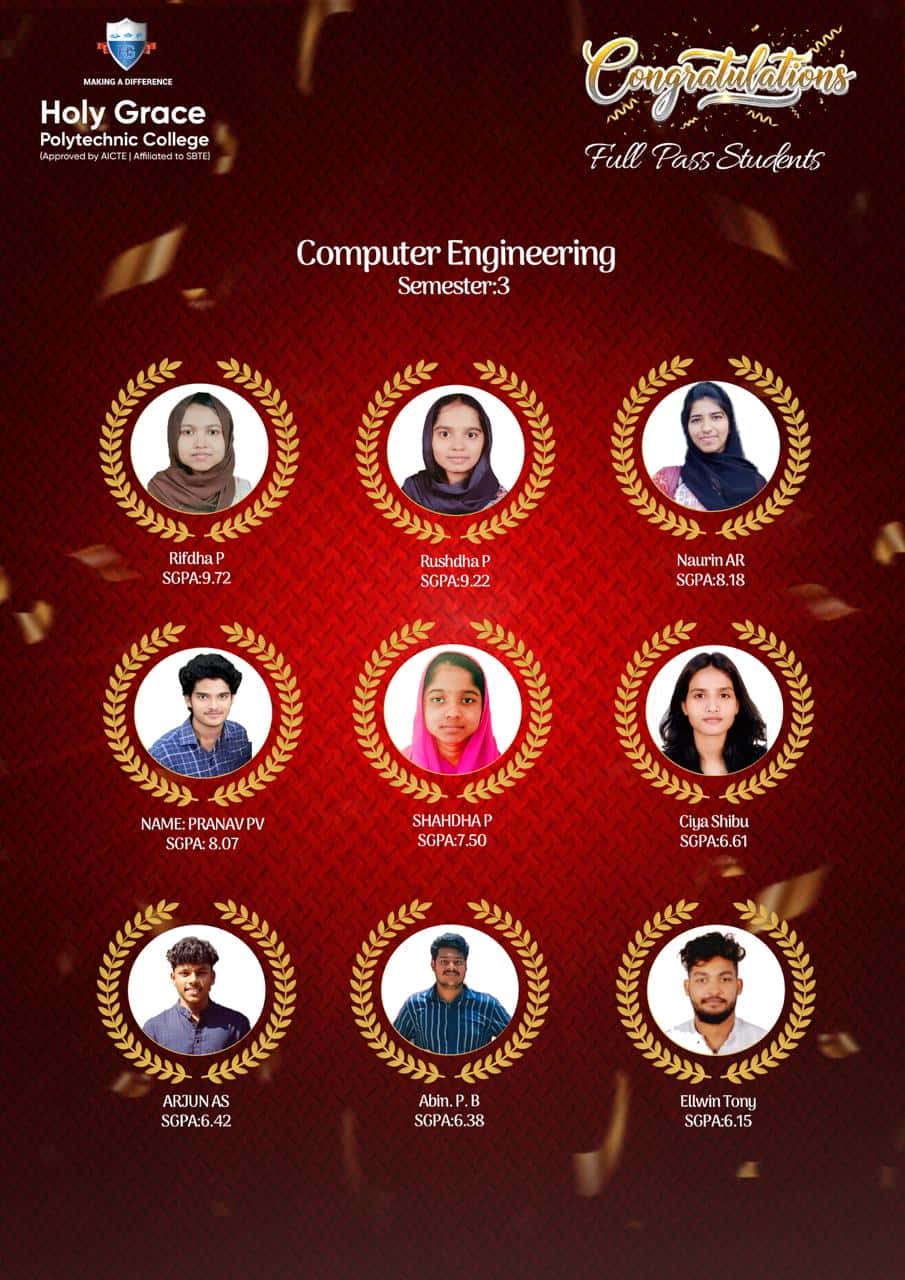
Toppers semester 3
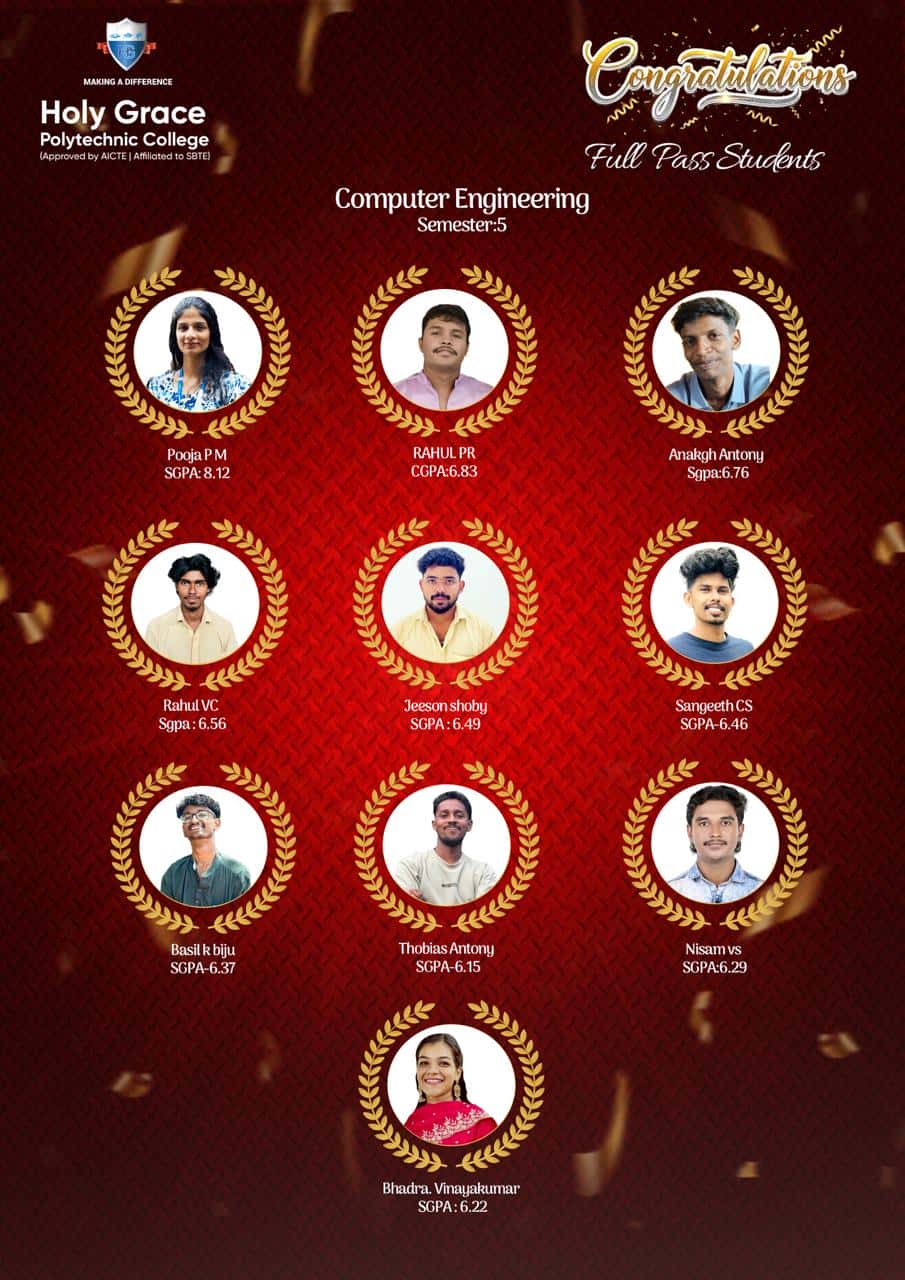
Toppers semester 5

THRISSUR DISTRICT WRESTLING CHAMPIONSHIP
GOLD🏆 (86 CATEGORY )
ABHINAV K H
COMPUTER ENGINEERING
SEMESTER - 3

Holy Grace Polytechnic College State Board of Technical Education

Holy Grace Polytechnic College State Board of Technical Education

Holy Grace Polytechnic College State Board of Technical Education
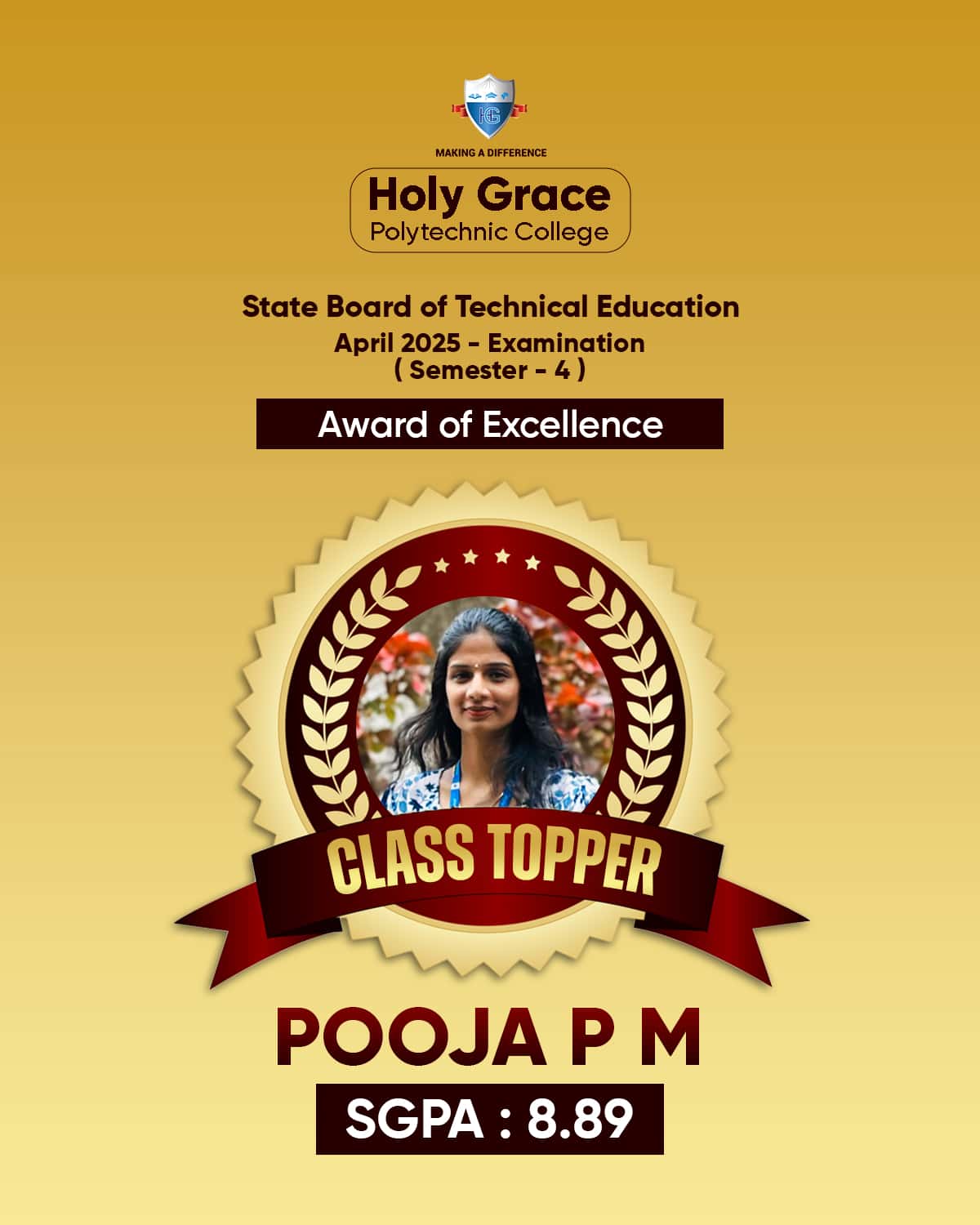
Holy Grace Polytechnic College State Board of Technical Education
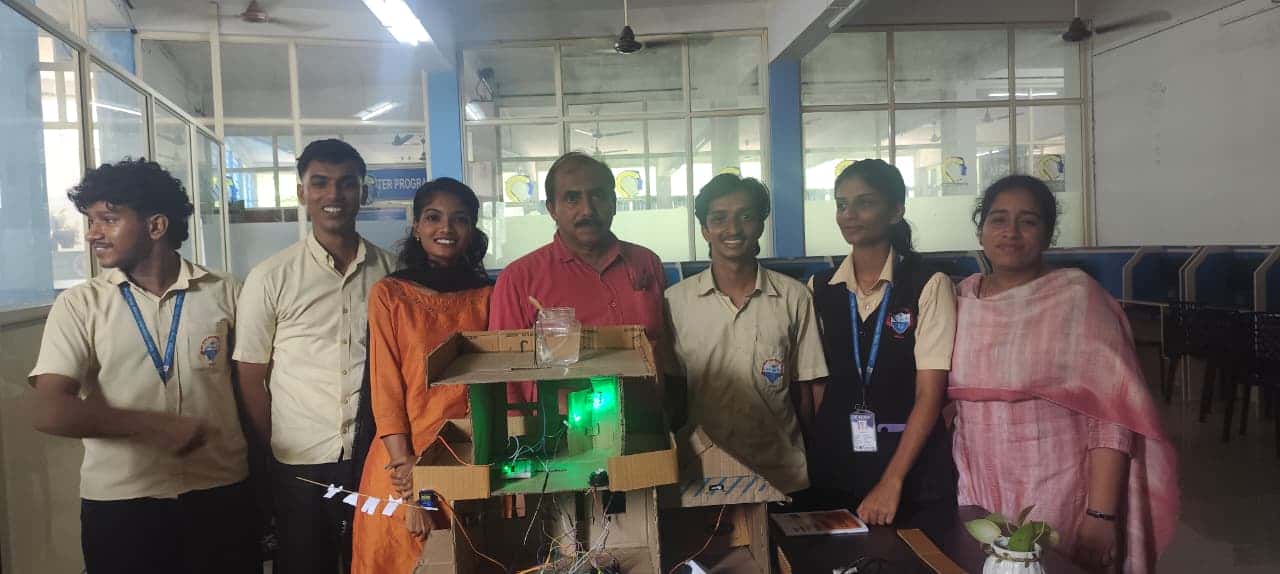
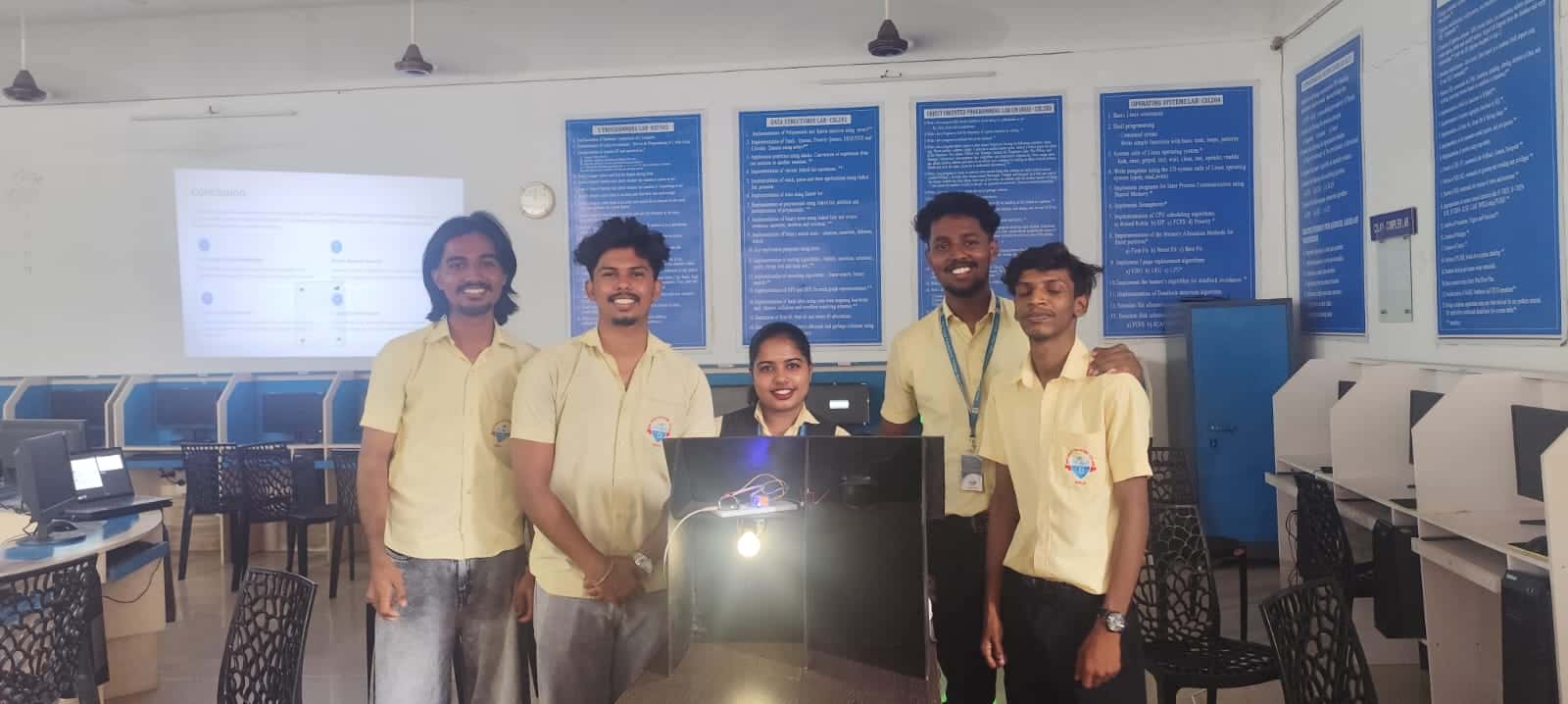
Project presentation
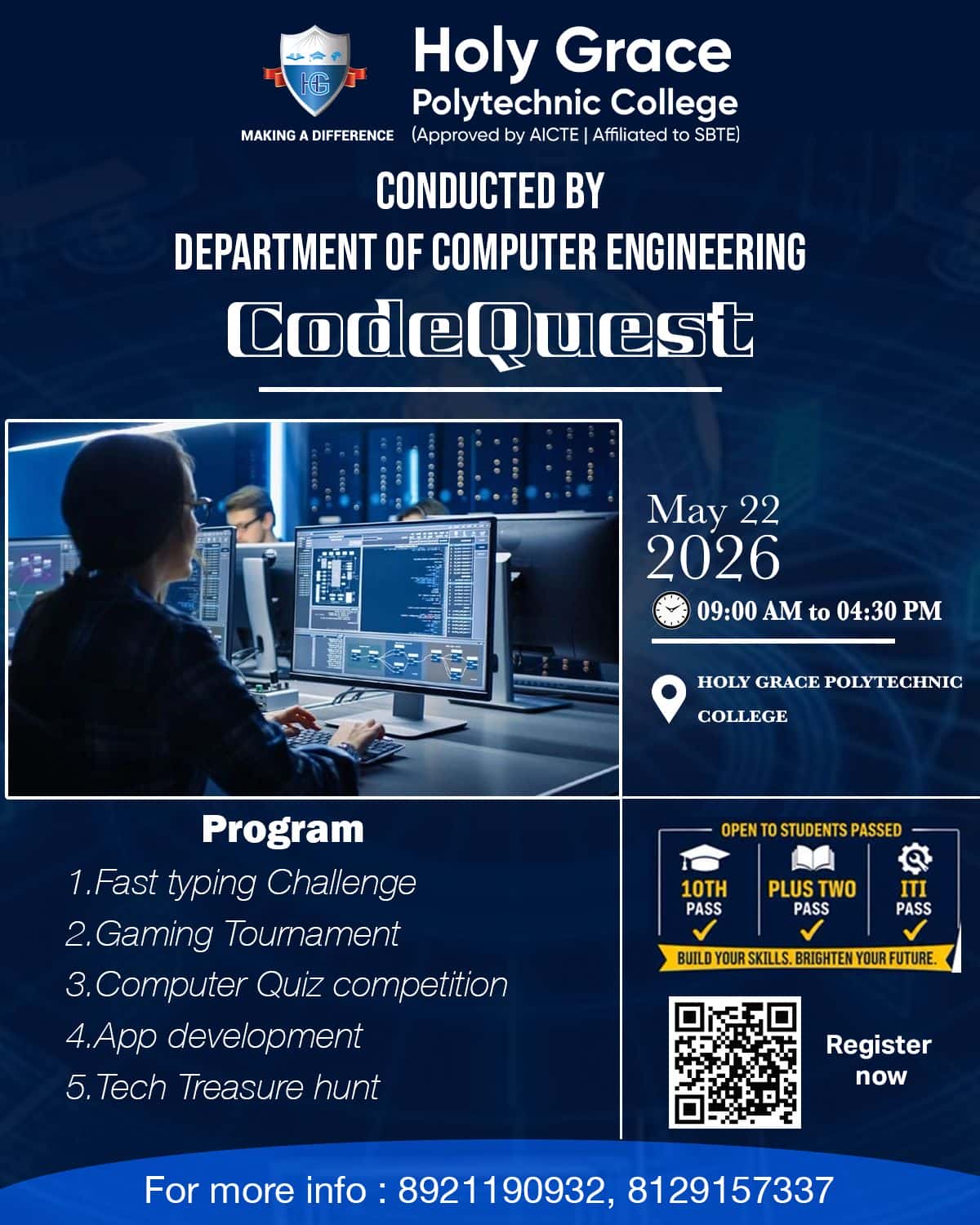
Codequest program
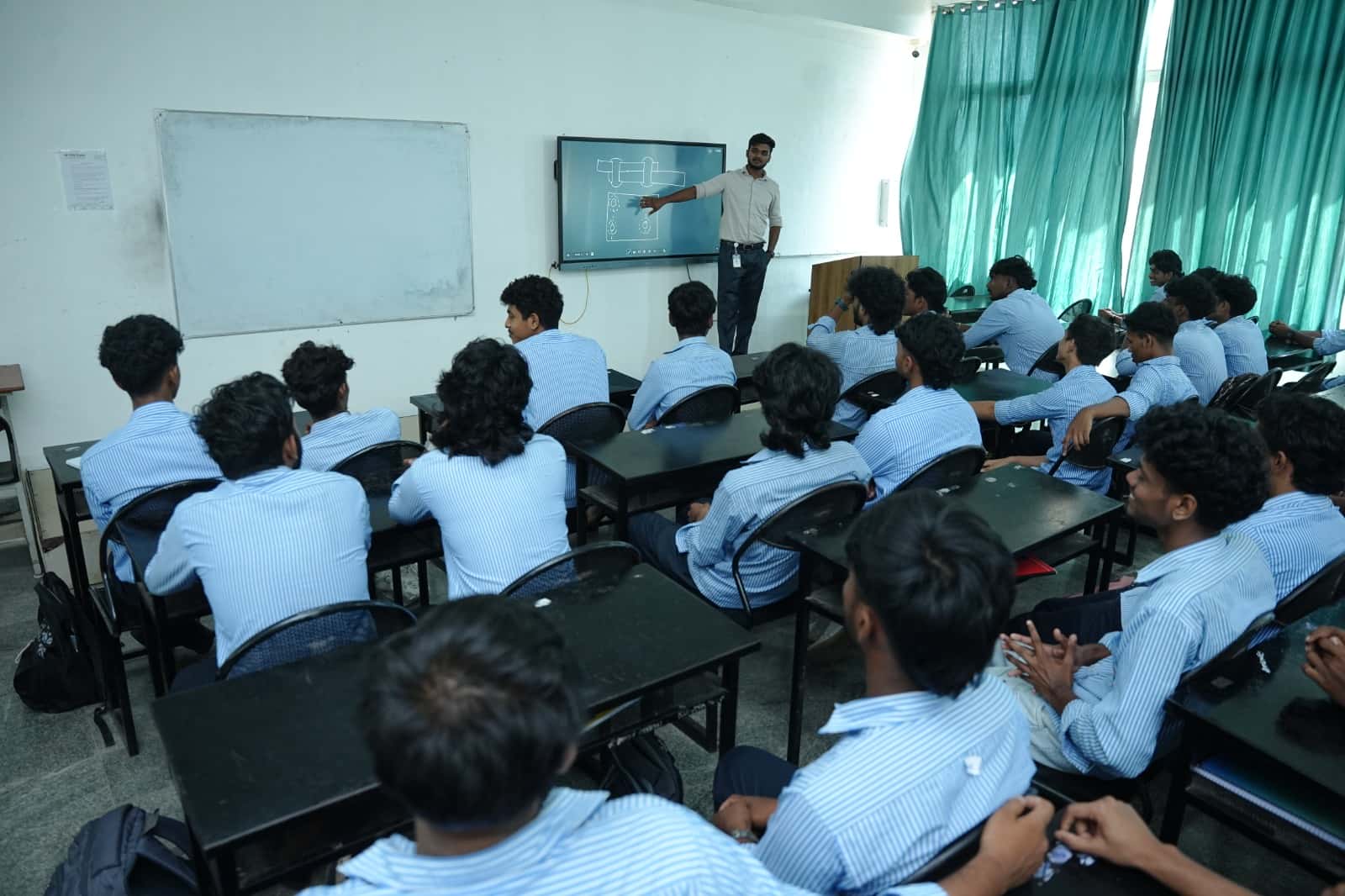
The institution provides modern digital learning facilities to support effective and engaging teaching–learning practices. Smart classrooms equipped with digital displays and multimedia resources enable faculty members to deliver interactive lessons. Students have access to digital learning materials, online academic resources, and e-learning platforms to enhance their knowledge and understanding. These facilities promote technology-enabled, student-centric, and flexible learning. The integration of digital tools also supports blended learning and improves overall classroom engagement.
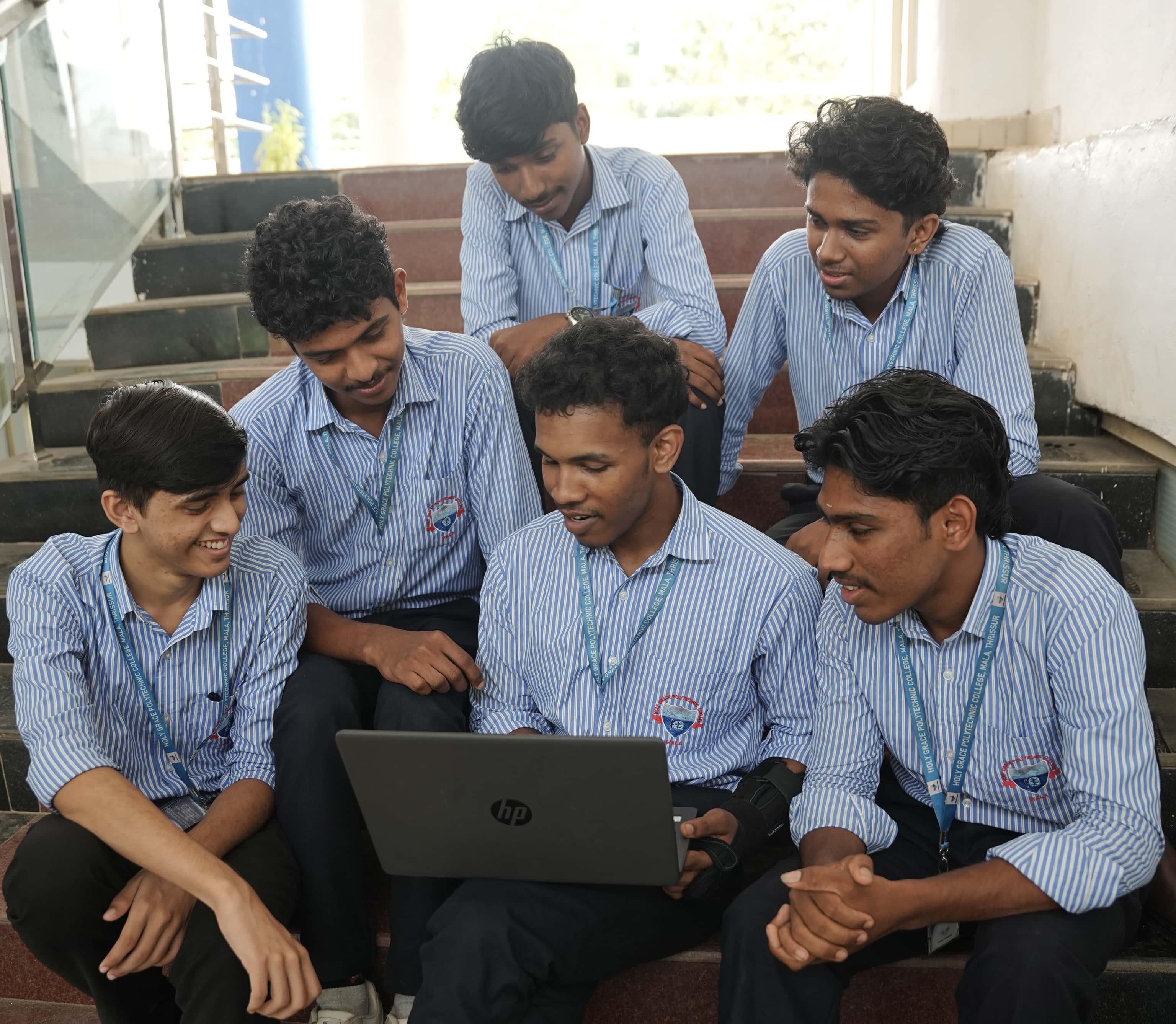
Technology-Enabled Learning
Advanced software, digital tools, simulation platforms, and computing facilities enable students to gain hands-on experience with emerging technologies.
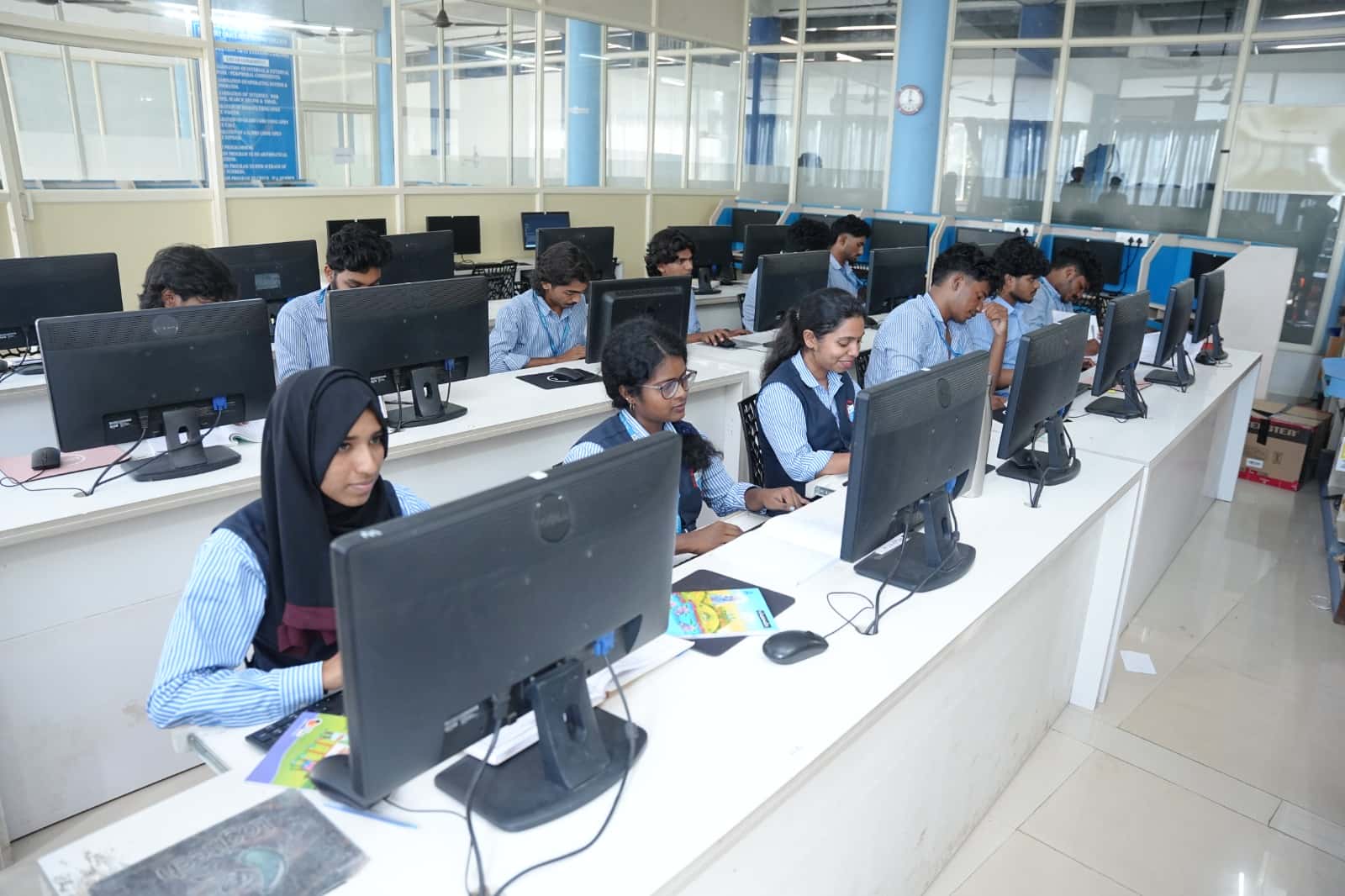
The Common Computing Facility at Holy Grace Polytechnic College provides students with access to modern computer systems, high-speed internet, and essential digital resources. It supports academic learning, practical training, online examinations, project work, research, and various technology-based activities. The facility helps students develop essential computer skills
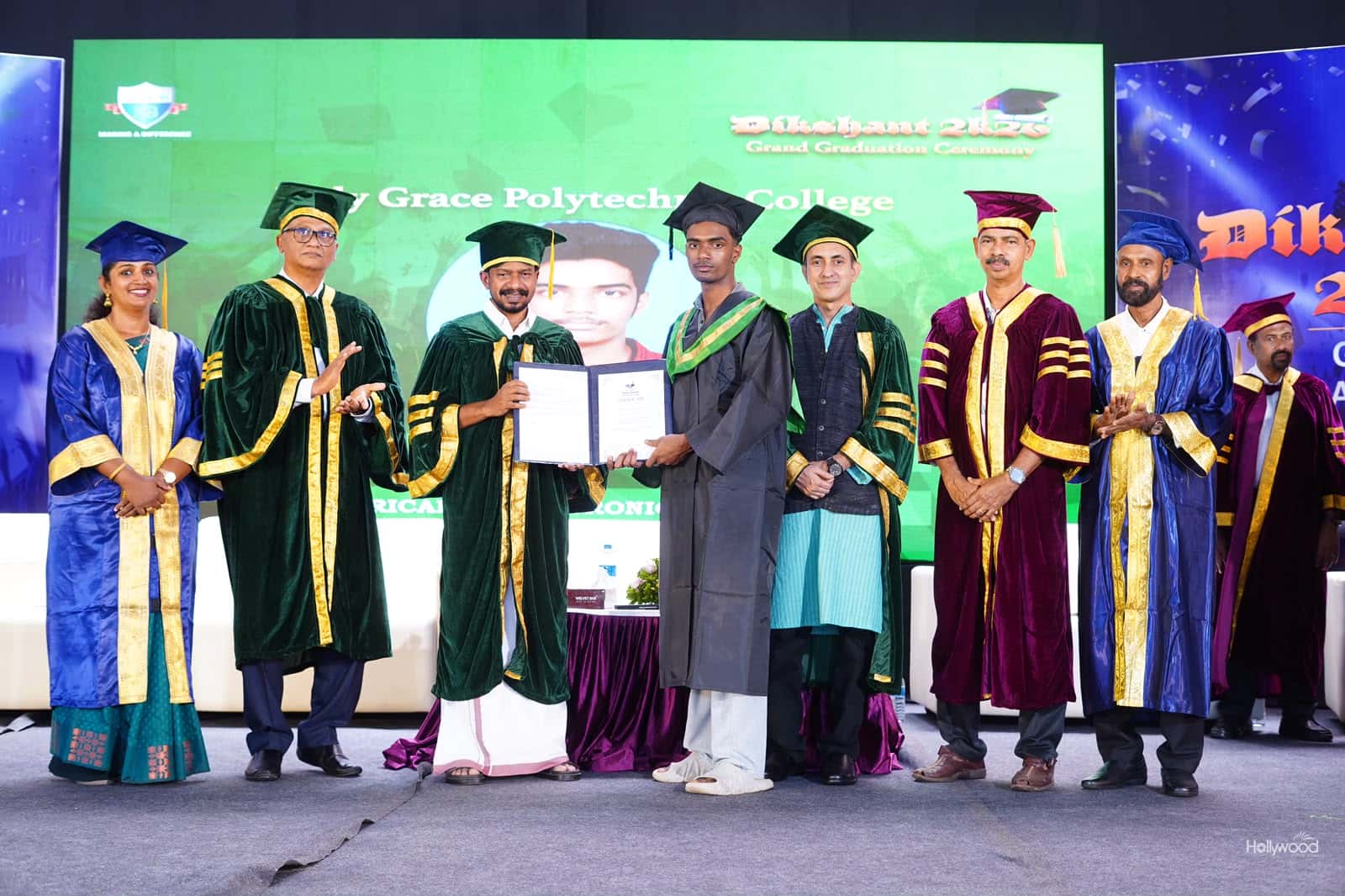
Graduation Ceremony
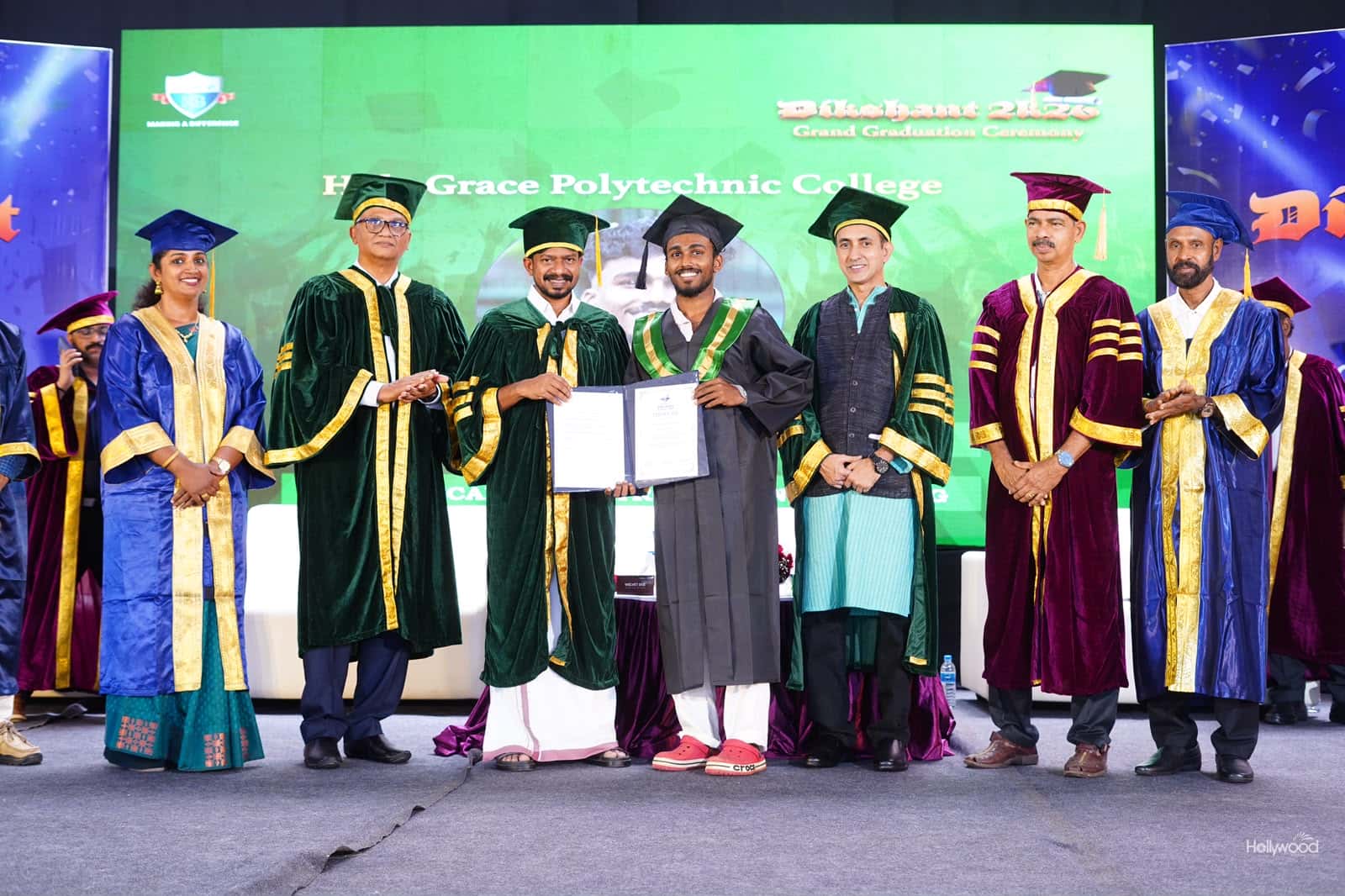
Graduation Ceremony
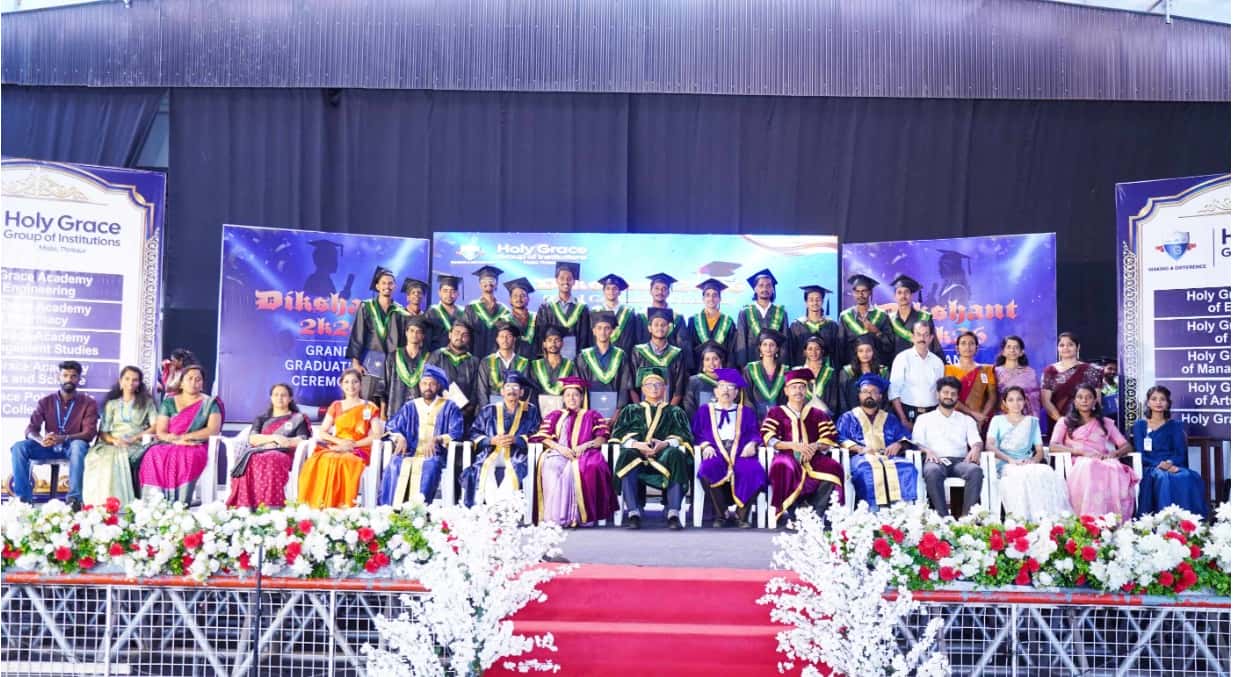
Graduation Ceremony
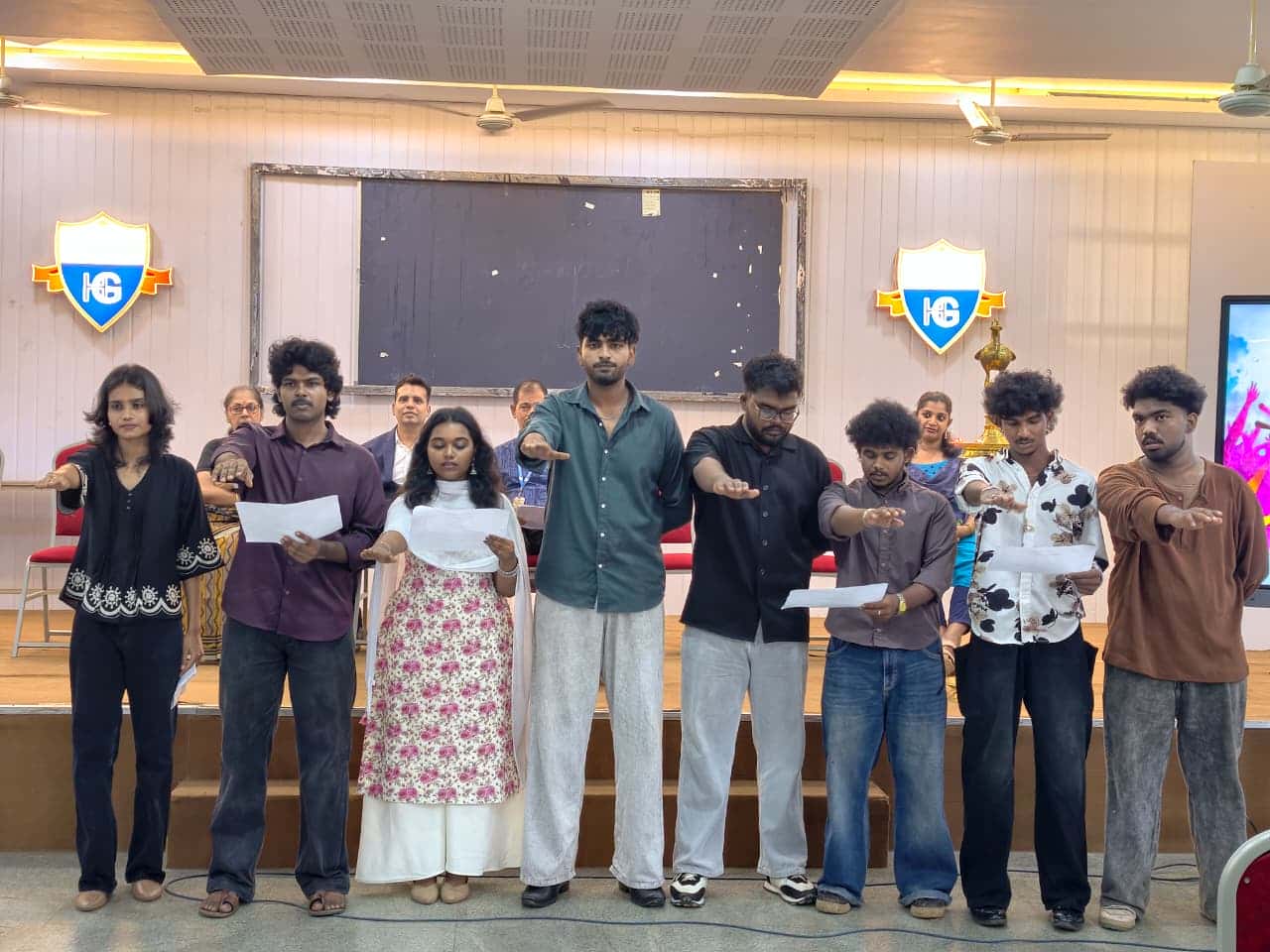
Union Teams
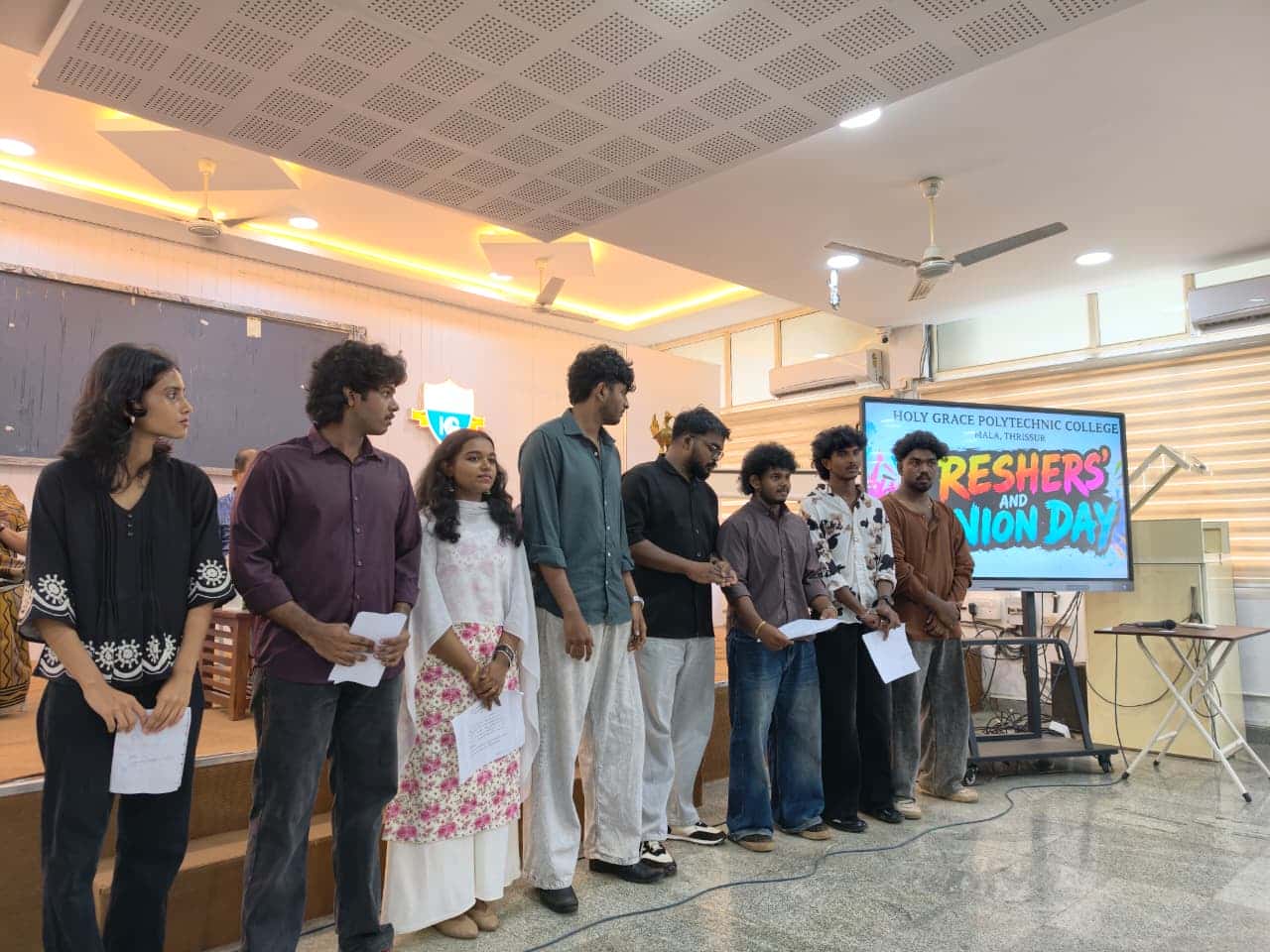
Union Teams
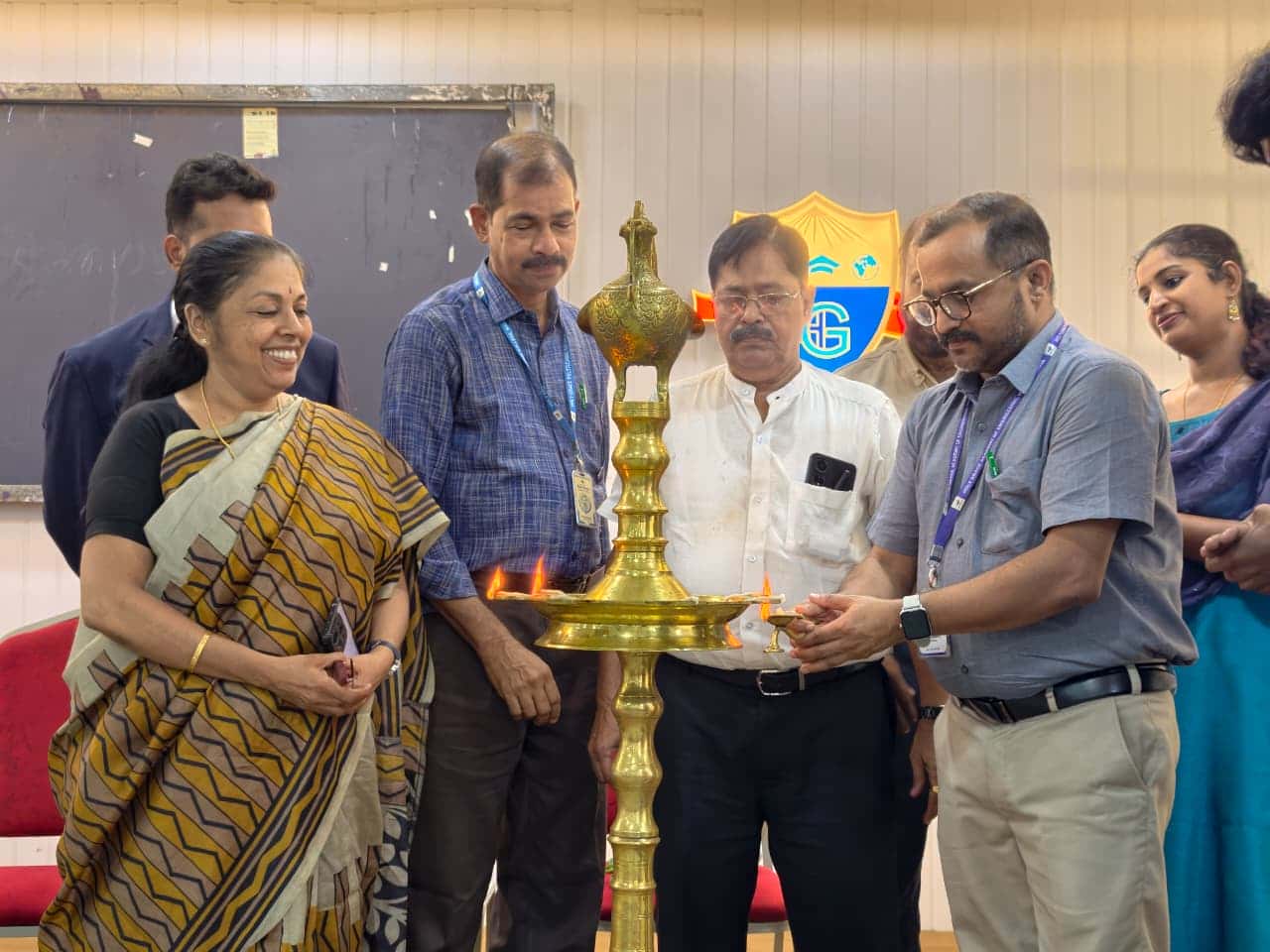
Union Inauguration day
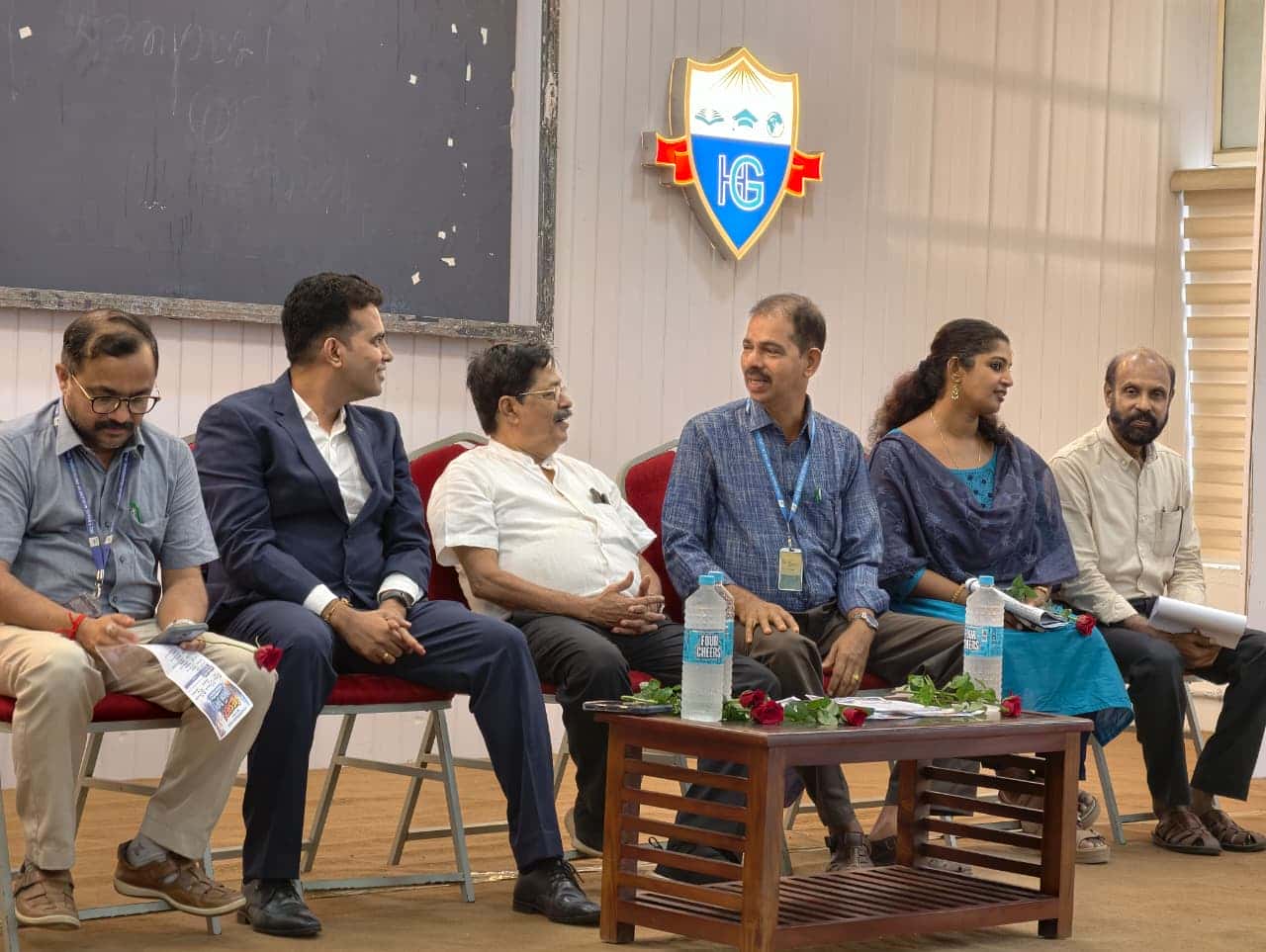
Union Inauguration day

Union
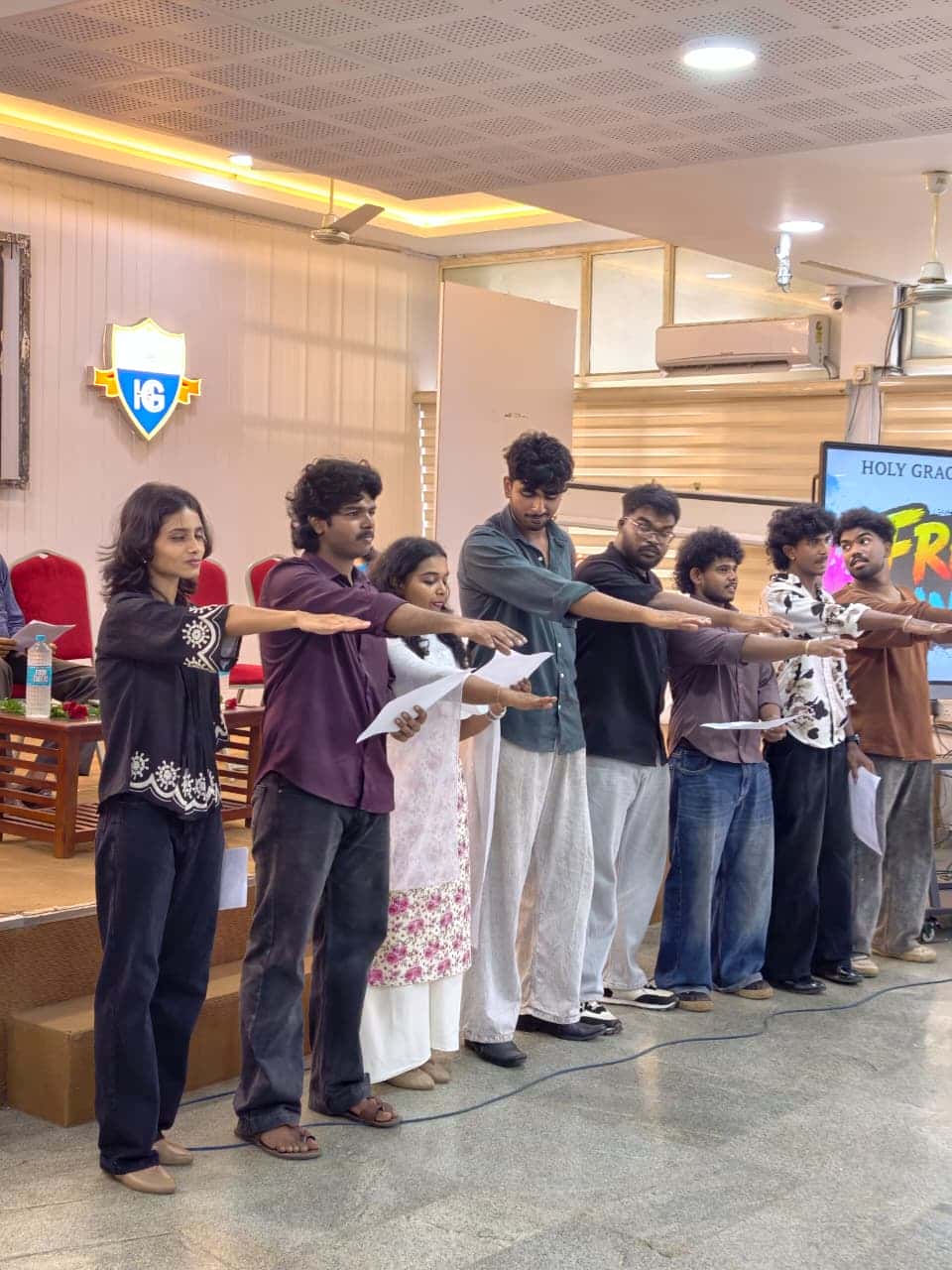
Union members
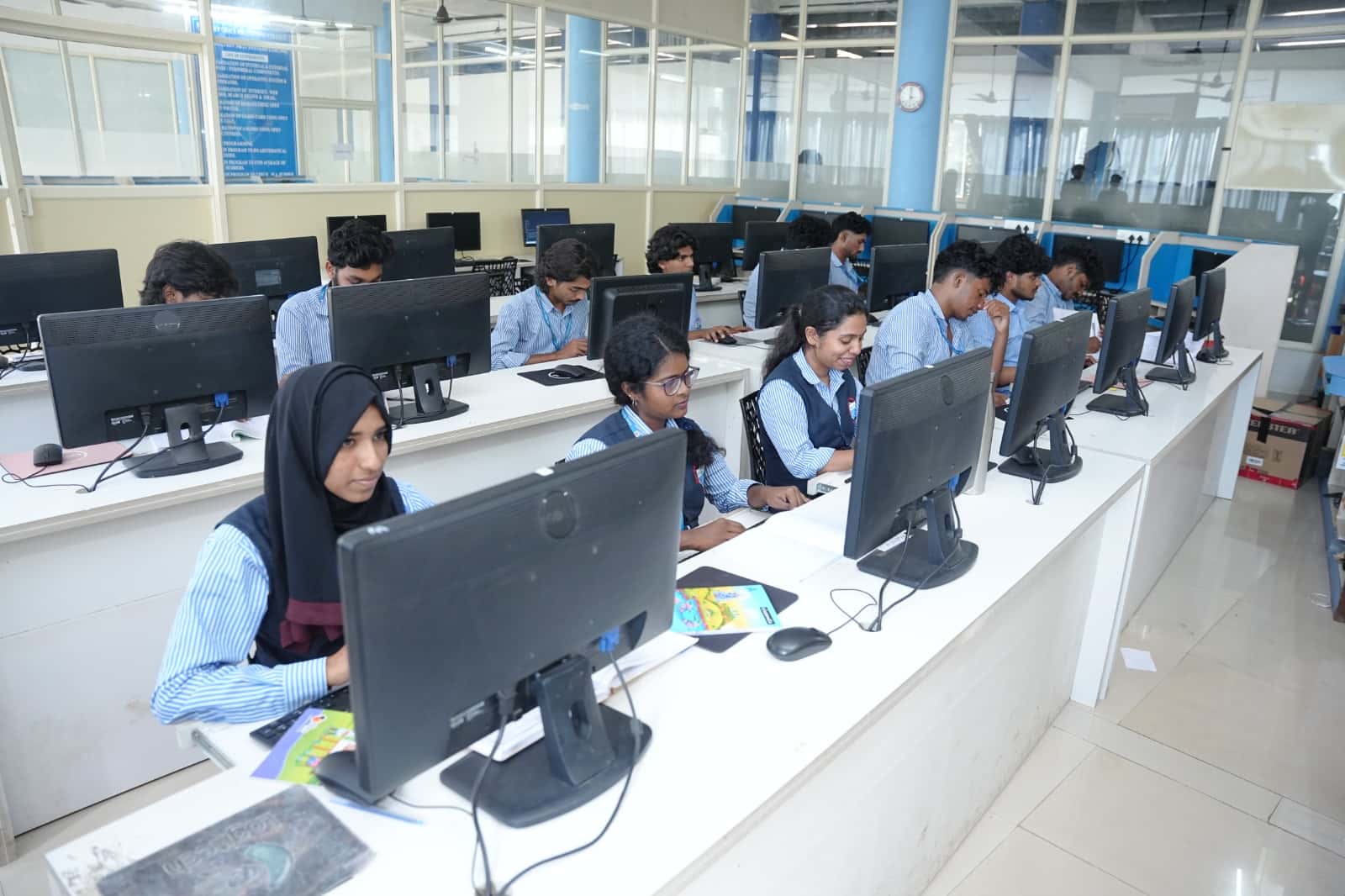
CCF
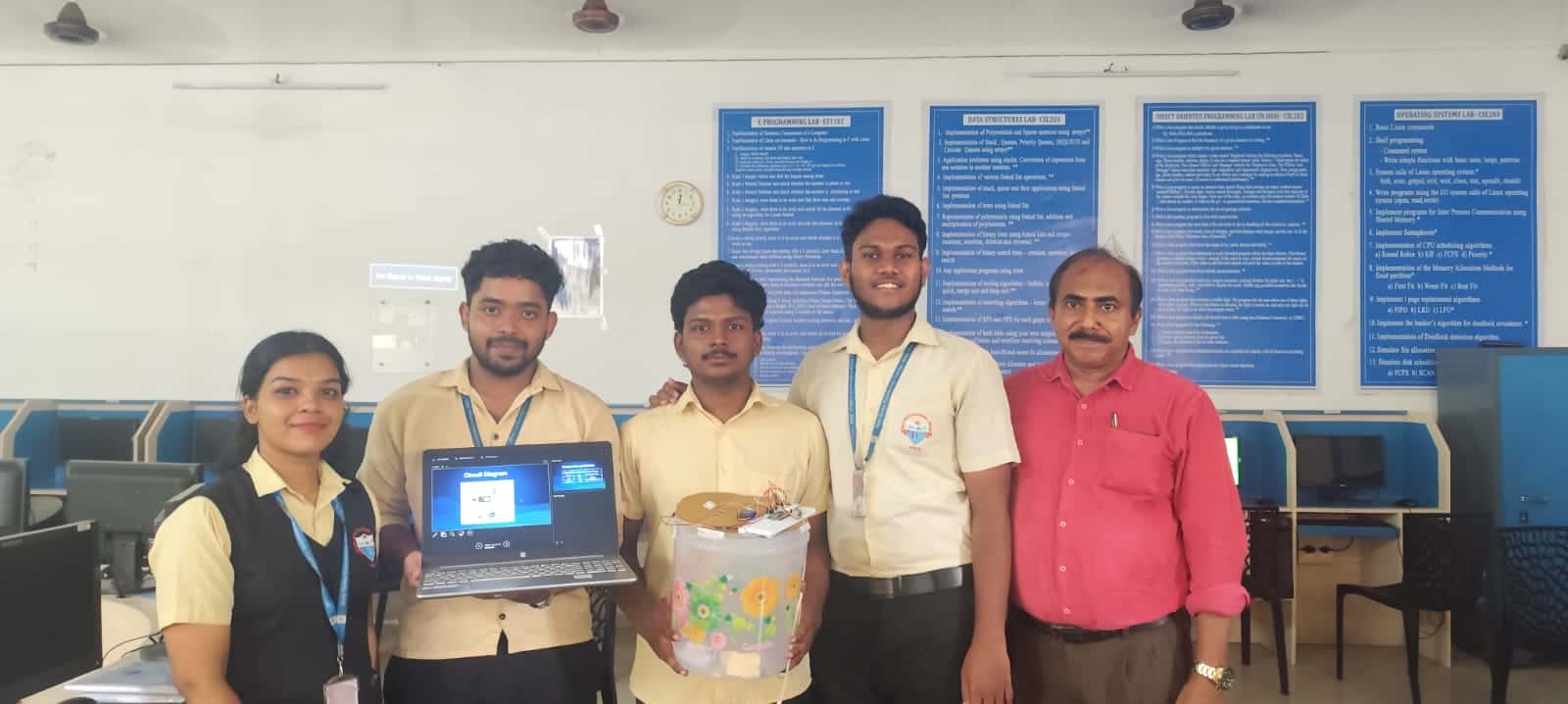
computer engineering
computer engineering