
HOLY GRACE POLYTECHNIC COLLEGE
Approved by AICTE, New Delhi & Affiliated to
SBTE, Kerala | Mala, Thrissur
To generate value for students and other stakeholders in Automobile Engineering by consistently working towards the overall development of students, attaining an all-round in academic excellence, and promoting professional skills, social responsibilities and cocurricular activities.
M1:To ensure significant engagement in automobile engineering by imparting contemporary knowledge to students.
M2 :To develop industry ready students by knowing the present needs of Automotive sector
M3 :Promote social responsibility and cultivate entrepreneurial skills within the automobile industry.
Automobile Engineering is a branch of engineering that deals with designing, manufacturing and maintenance of Automobiles. The main aim of the course is to get awareness in a range of sub-disciplines, starting from designing the vehicles to manufacturing components, assembling and testing them for safety.
The Automobile Engineering Department in Holy Grace Polytechnic college was started in the year 2020 with the vision to impart quality education, skills and attributes to the students in accordance with changing global standards and automobile industrial requirement.
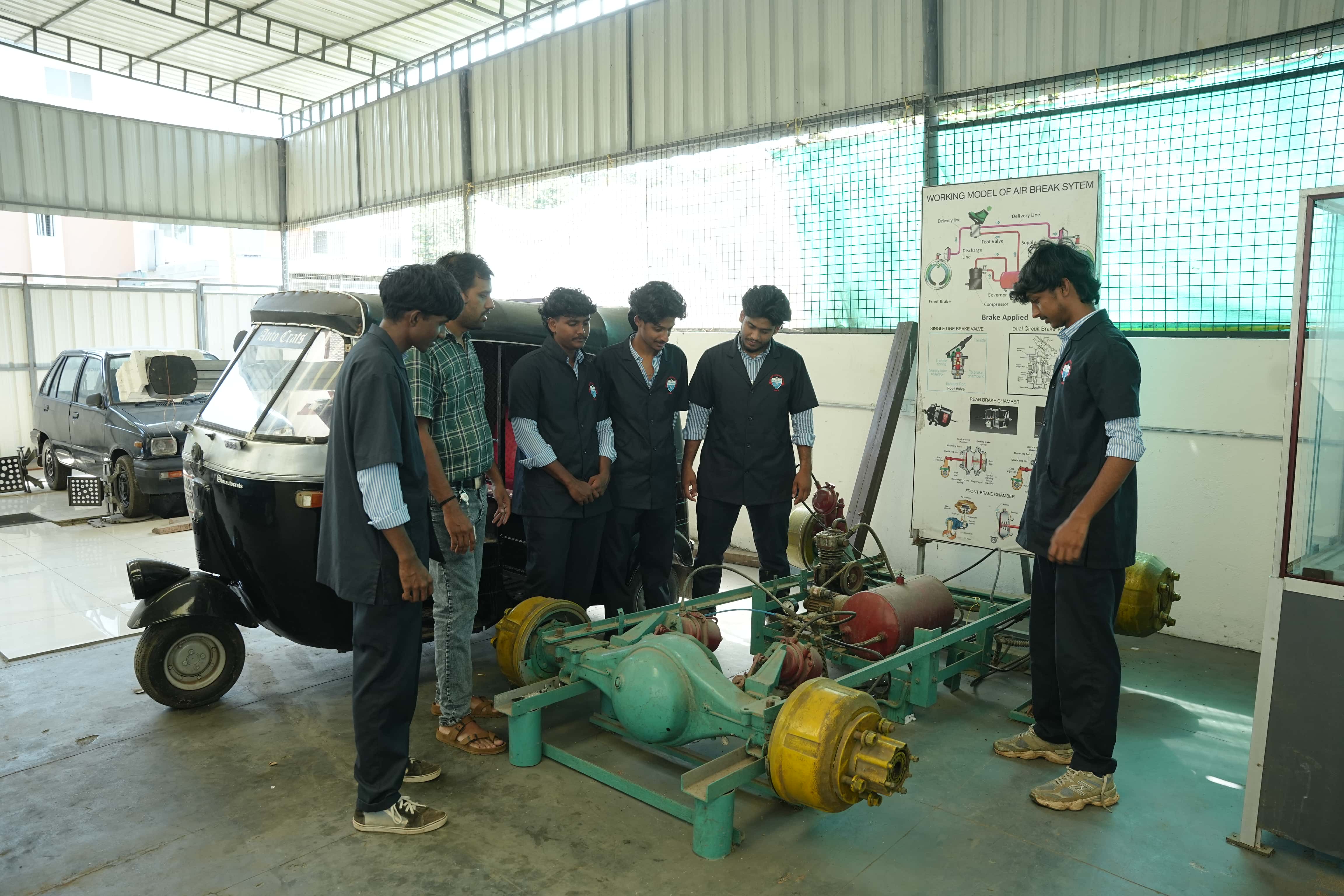
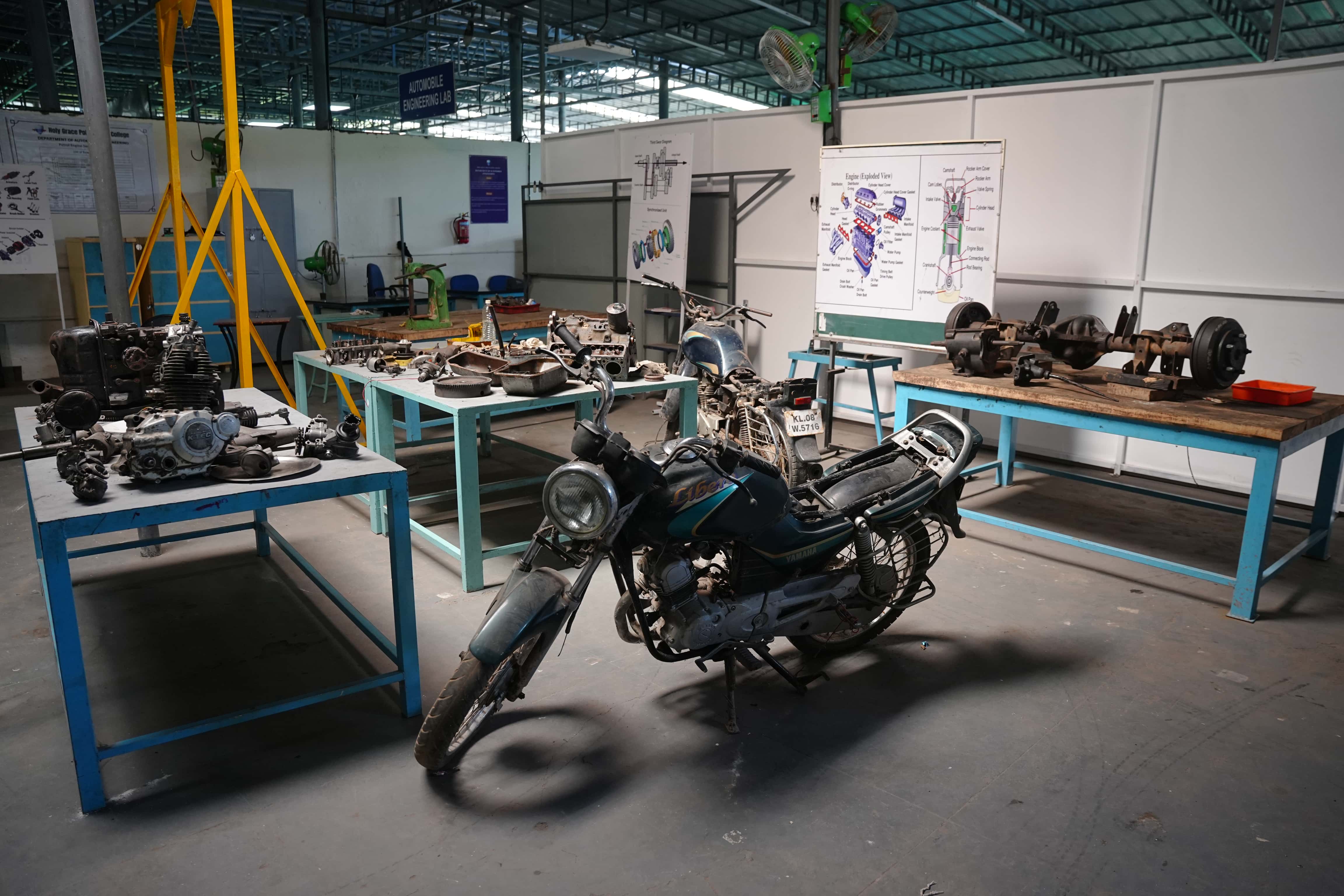
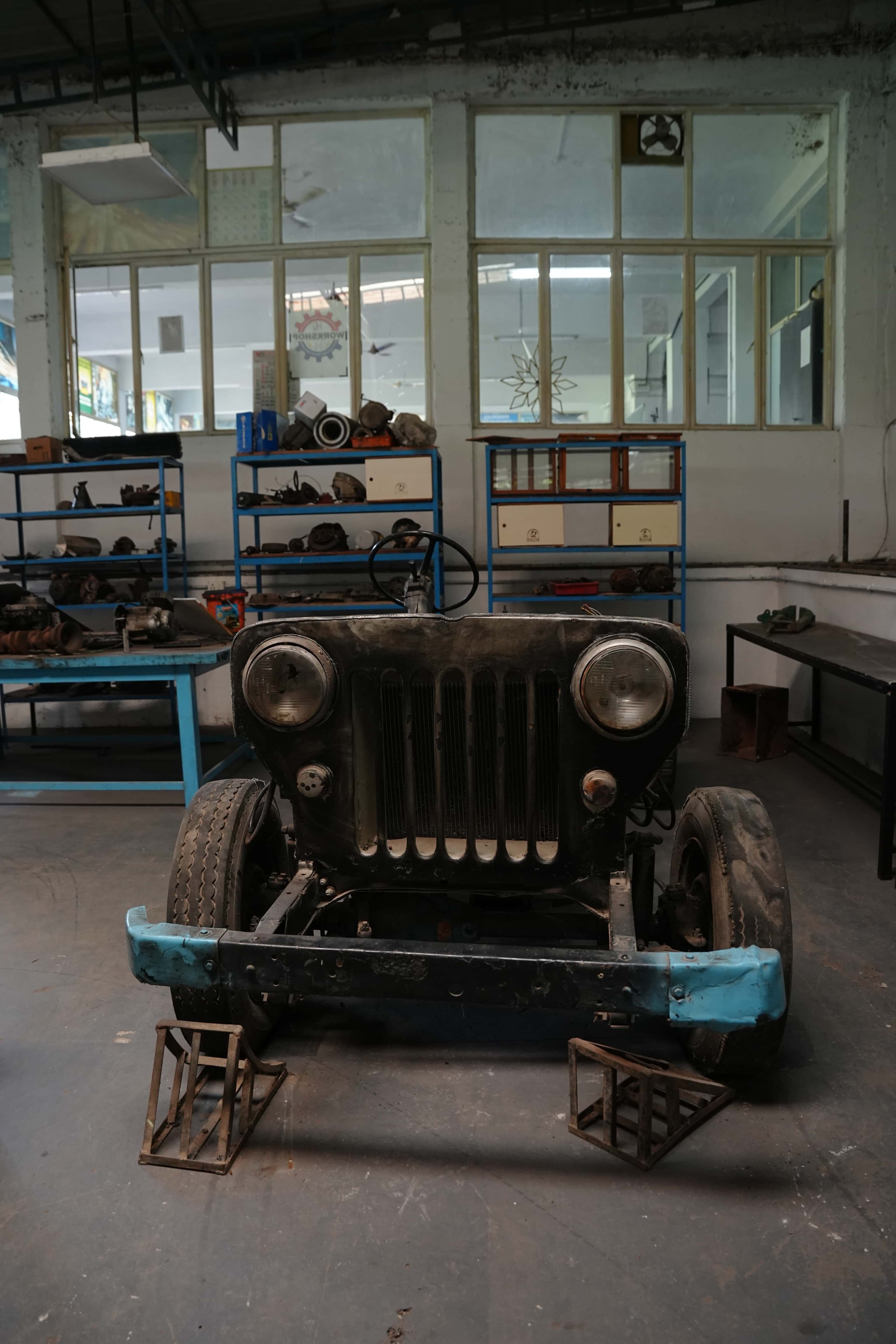
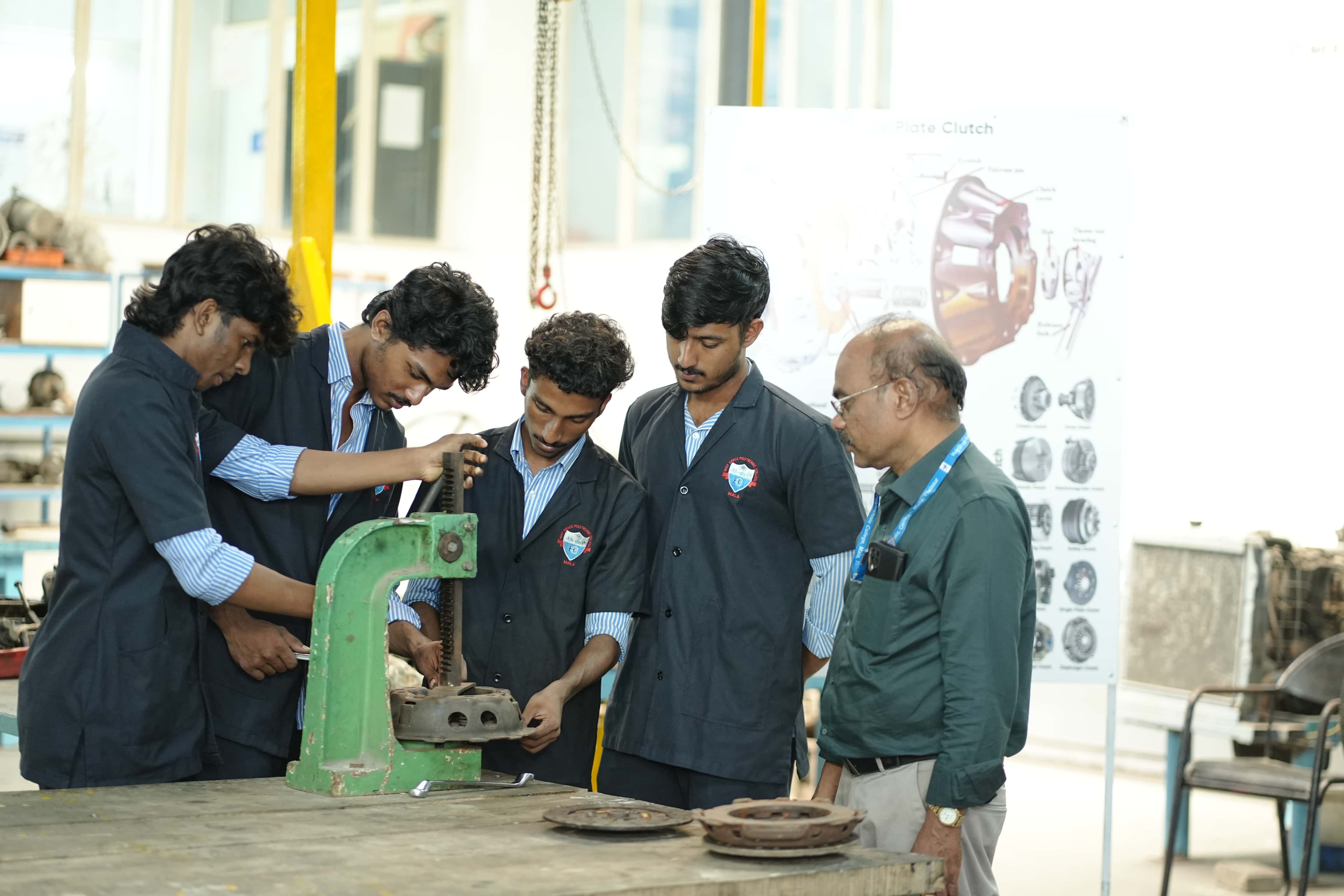
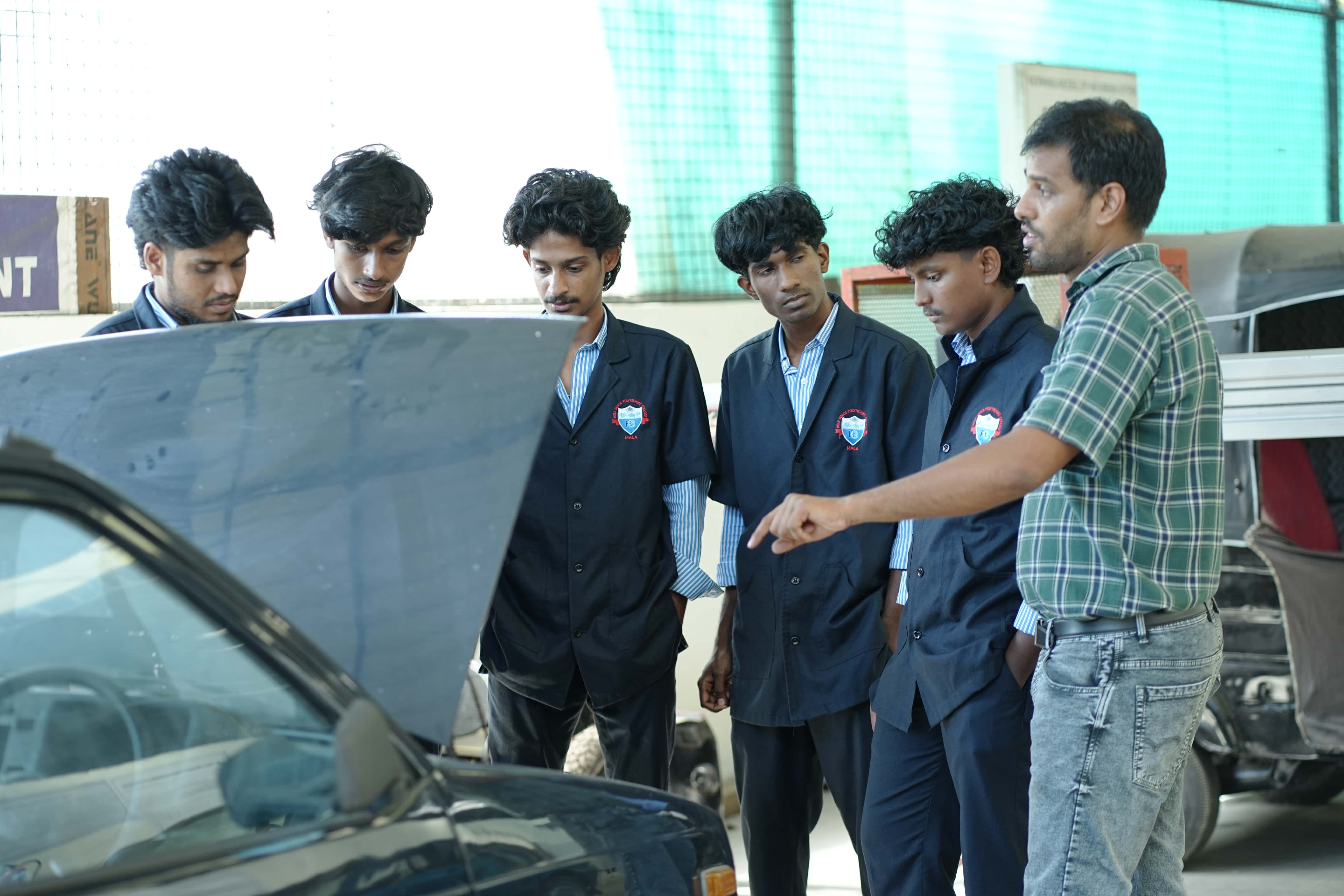
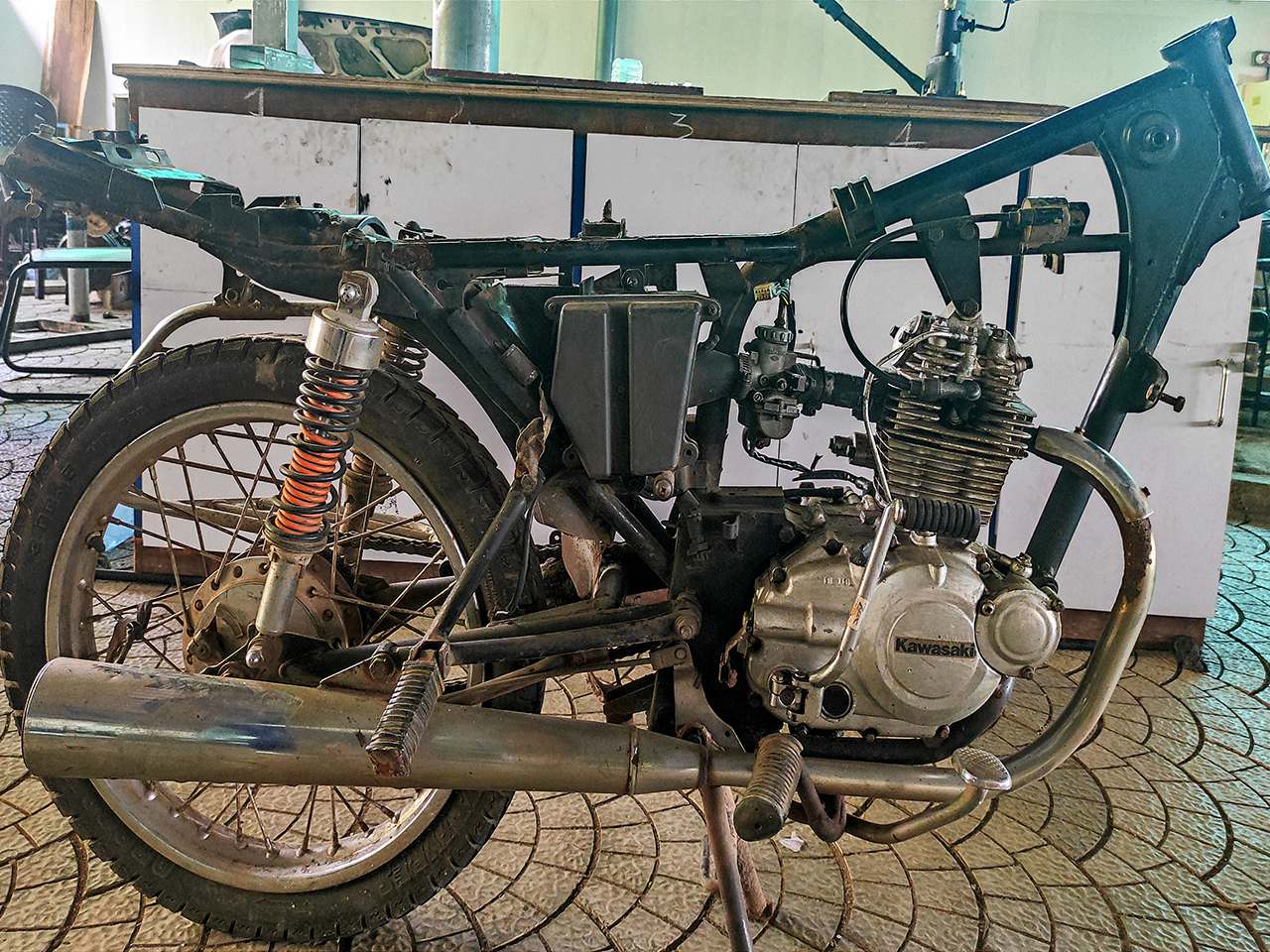
The department functions with well-equipped laboratories like Automobile service lab, Petrol & Diesel Engine lab, Auto Electrical lab, Two and three-wheeler service lab, Vehicle testing lab etc. The total intake for the batch is 60 and the department is well supported by experienced and well qualified faculty members. In addition to this the department provides the students with workshops, seminars, and Industrial visits to envisage the performance of the students.
• To build a Technological Innovation centre for Automobile Engineers in accordance with advancement in Automotive sector.
• To provide assistance in getting the driving license for the students.
• To set up additional courses like Advanced Diploma in Automotive mechatronics in collaboration with any leading vehicle manufacturer.
• To form an Automobile Association in Institution level and get it enrolled in AAI. In order to fullfill this aim, following actions are planned preliminarily.
1. To publish an automotive magazine on yearly basis.
2. To create a auto expo for automobile enthusiasts.
Students will be attaining the following specific outcomes
PEO 1: Excel in automobile engineering by applying advanced technical knowledge, practical skills, and innovative solutions for industry and societal impact
PEO 2: Demonstrate professional ethics, technical competence, and a proactive mindset in personal and professional pursuits.
PEO 3: Pursue higher studies, entrepreneurial ventures, or successful careers in automobile engineering and allied industries









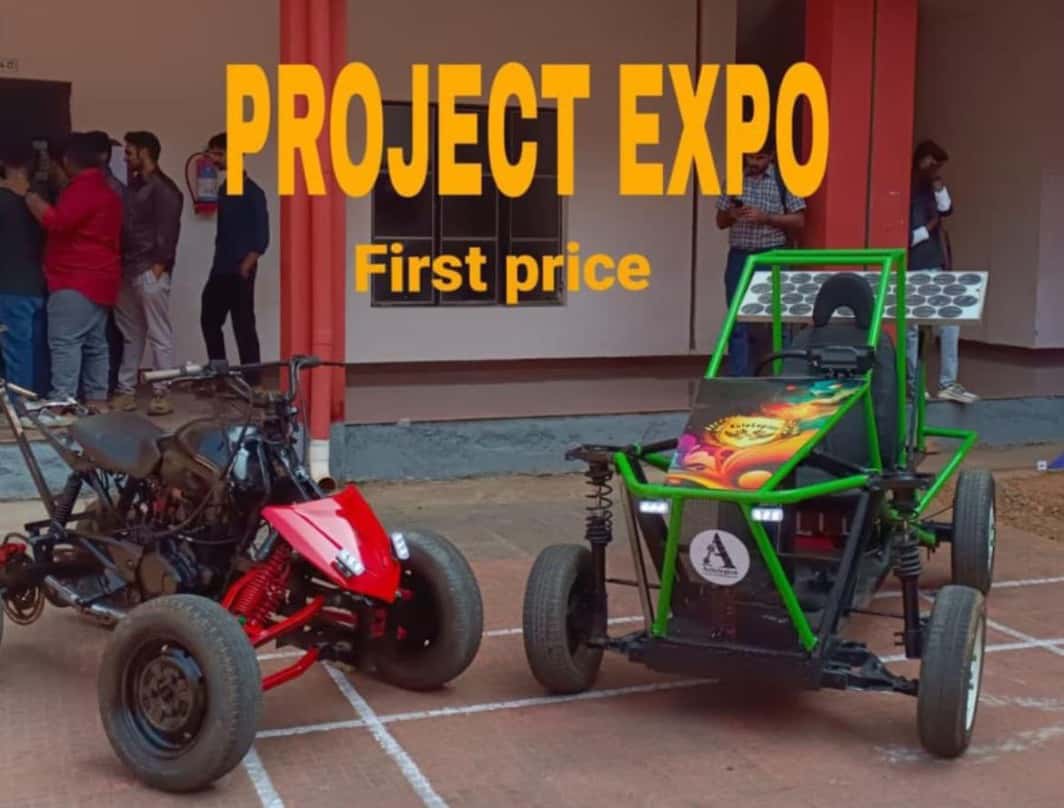
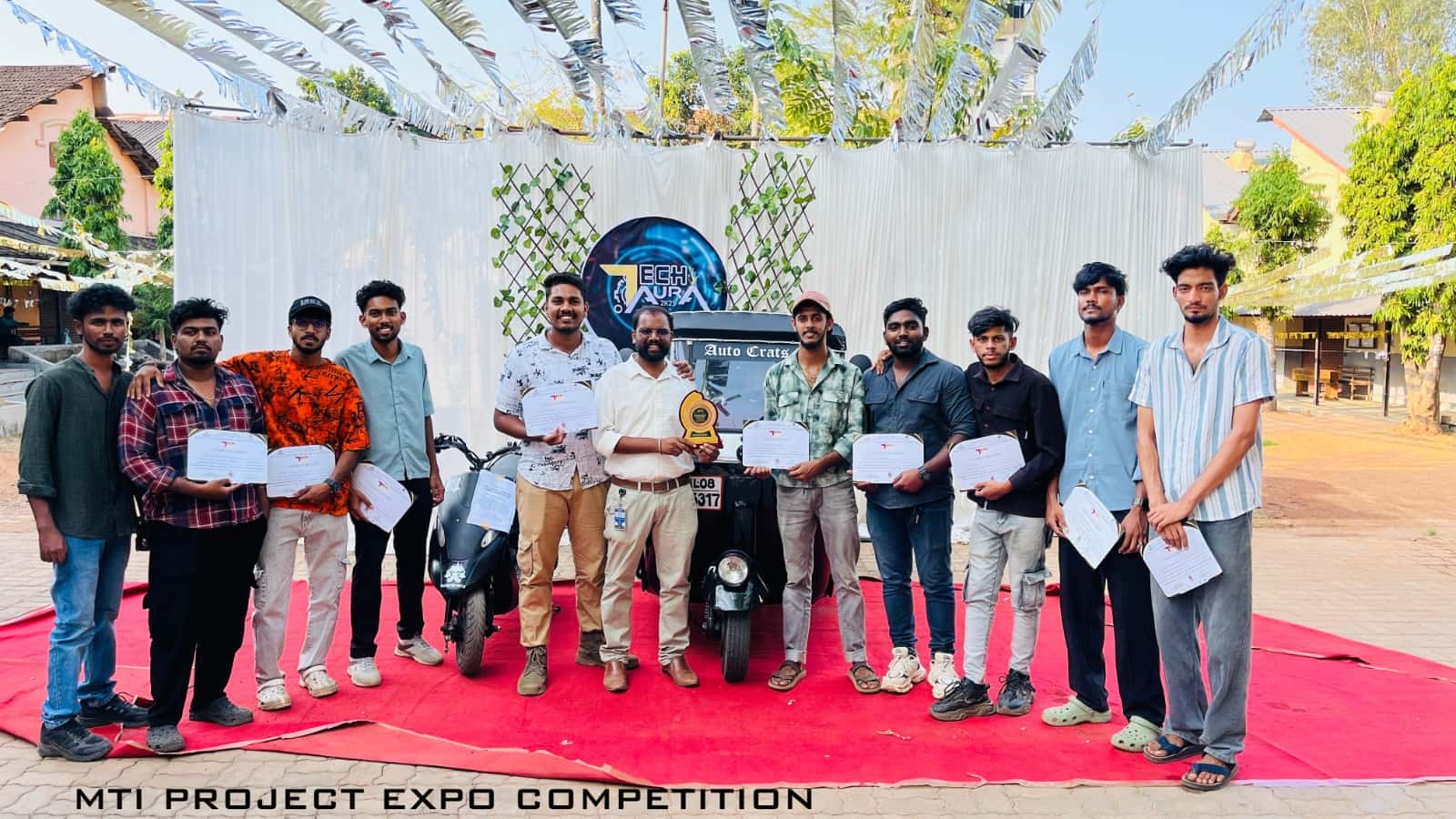
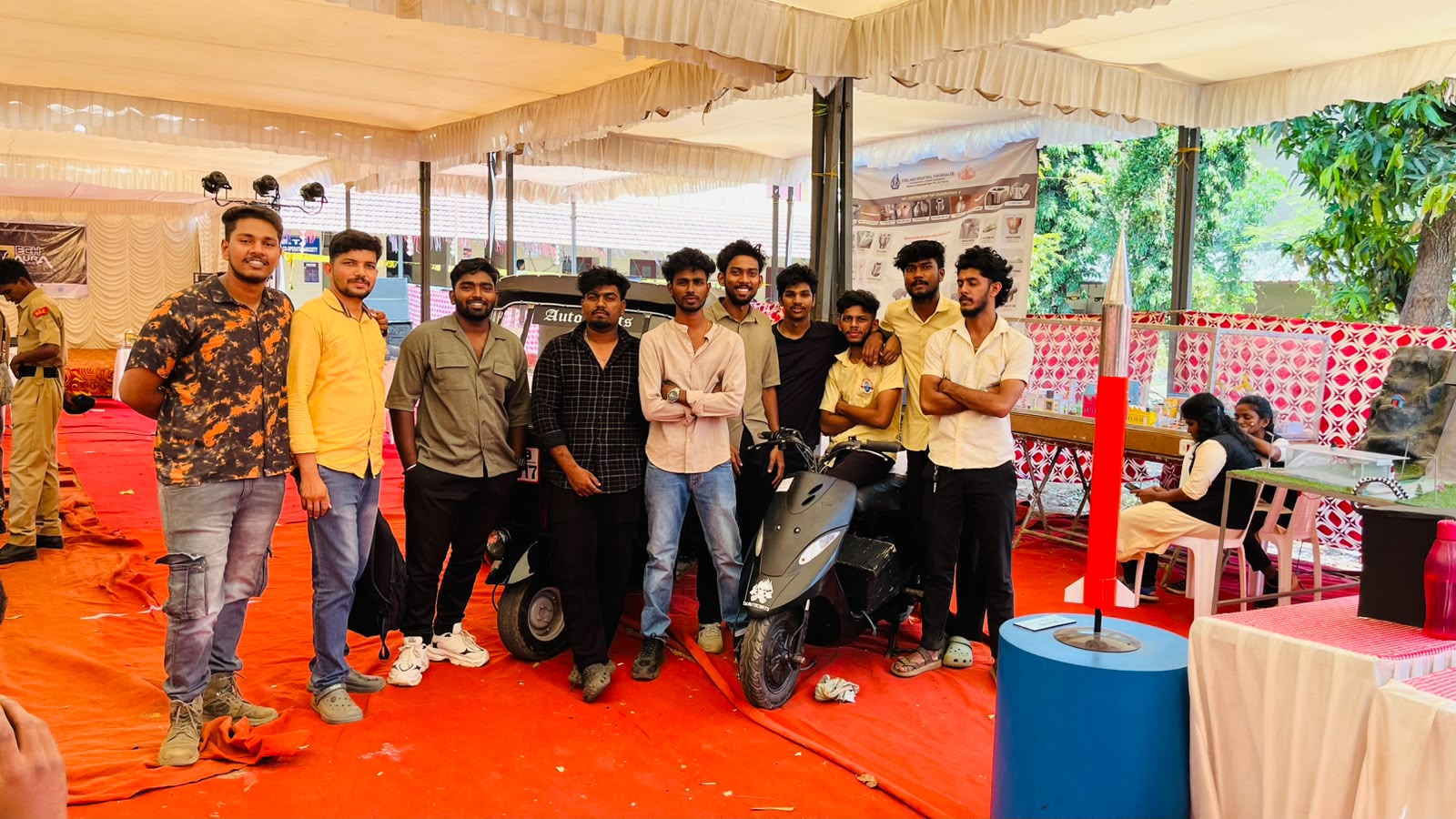
Project Expo First Price 🏆
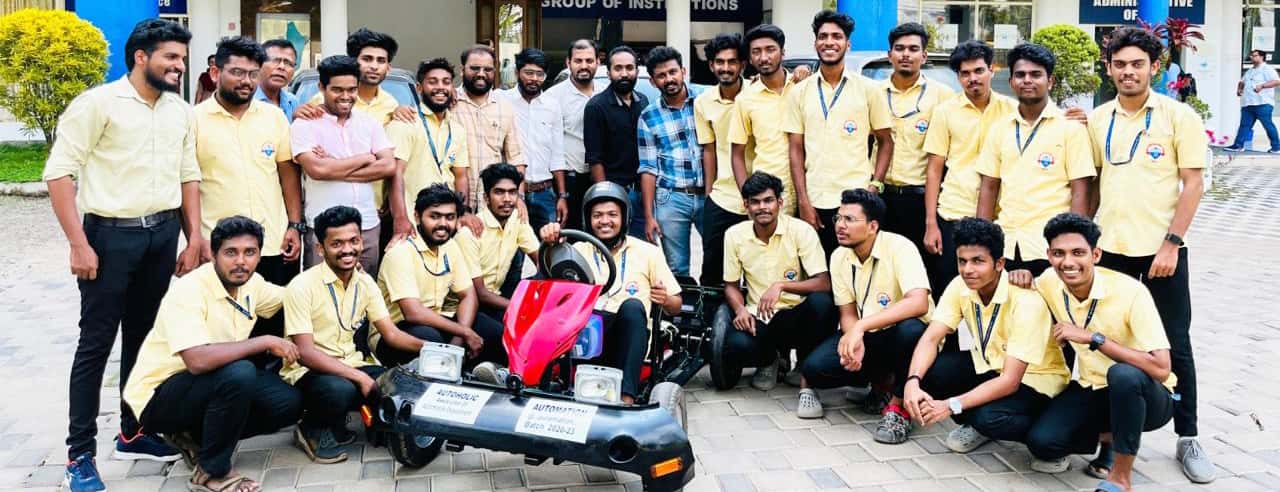
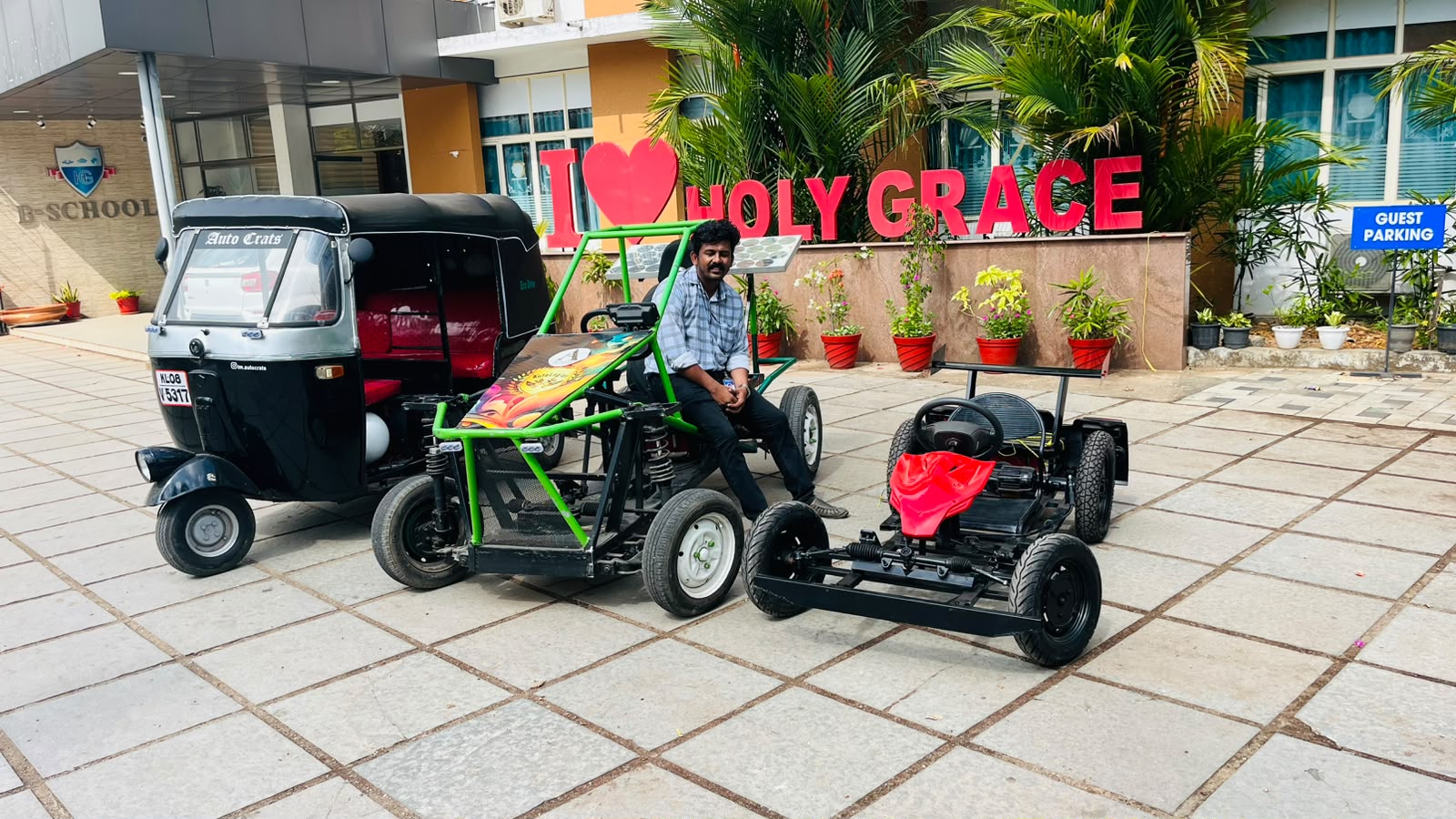
Project demonstration of Automobile engineering 2020-23 batch
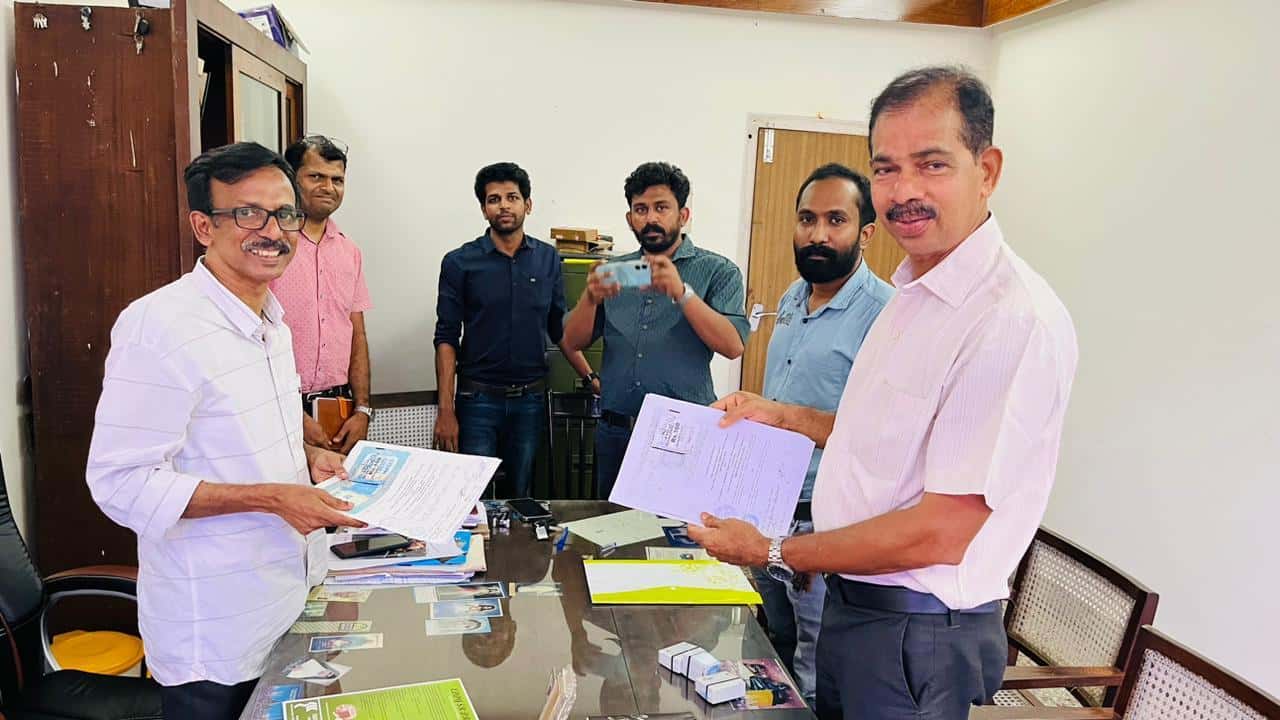
Automobile Department Signed MOU with eddy Eddy Current Controls (I) Ltd
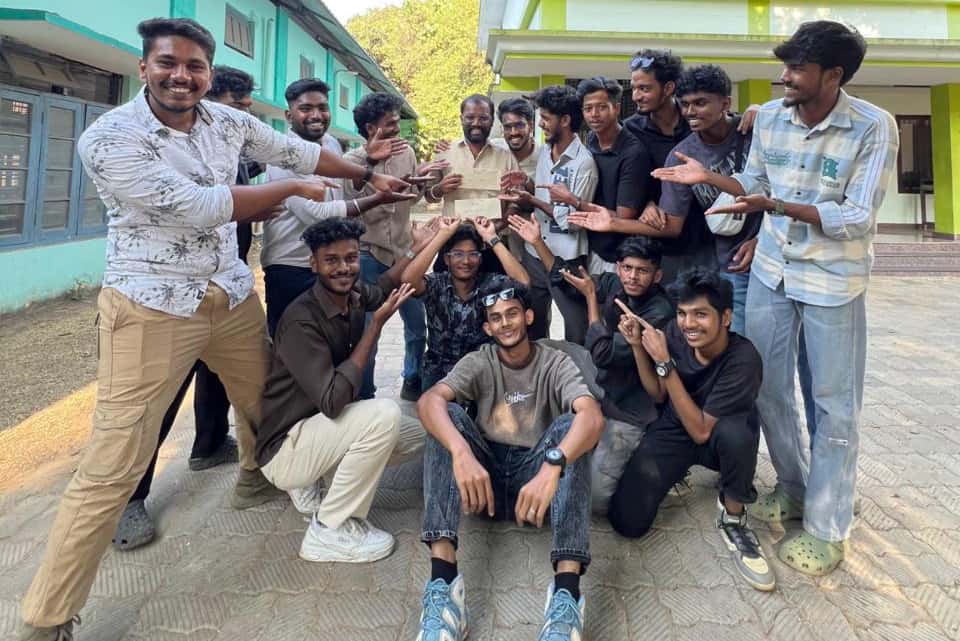
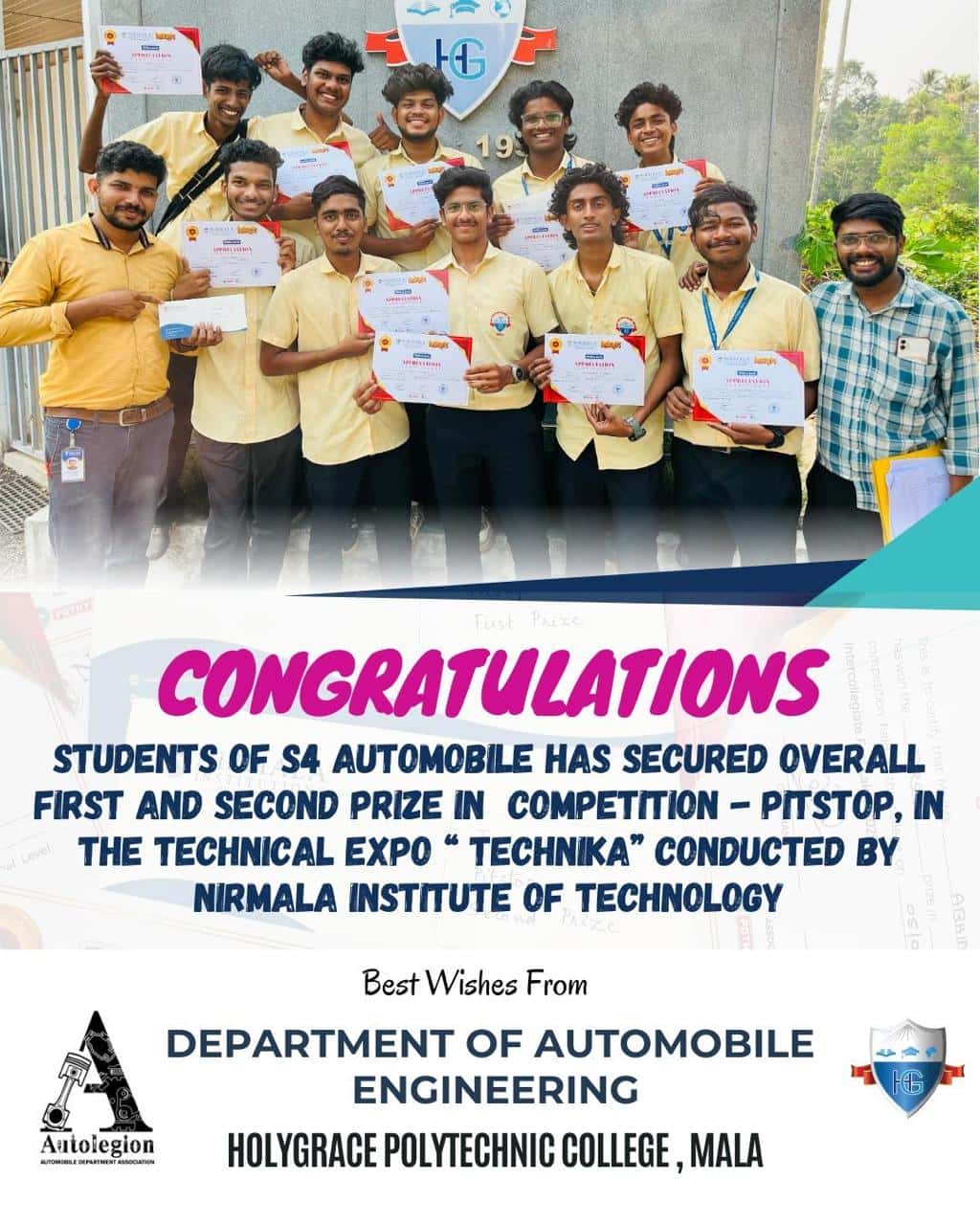
Sree rama polytechnic intercollege project competition 1st🏆 and 2nd🏆 prize
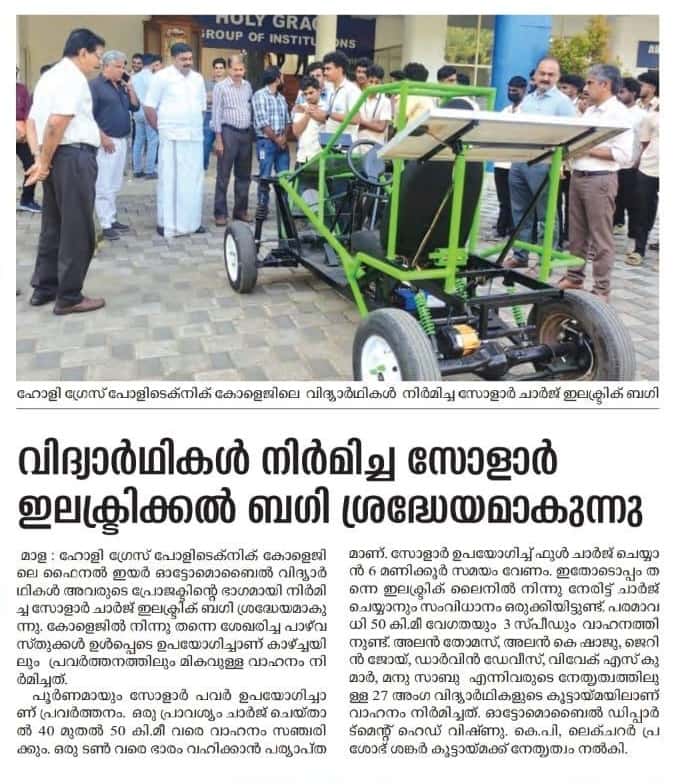
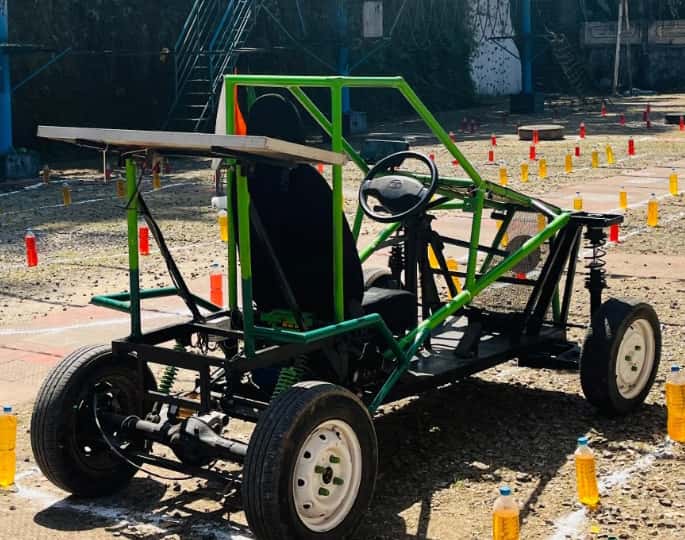
Students of Holy Grace Polytechnic College have developed an innovative solar-powered electric vehicle as part of their practical and technical learning. The vehicle is designed using solar energy and an electric power system, demonstrating the students’ skills in automobile engineering electrical systems, fabrication and sustainable technology
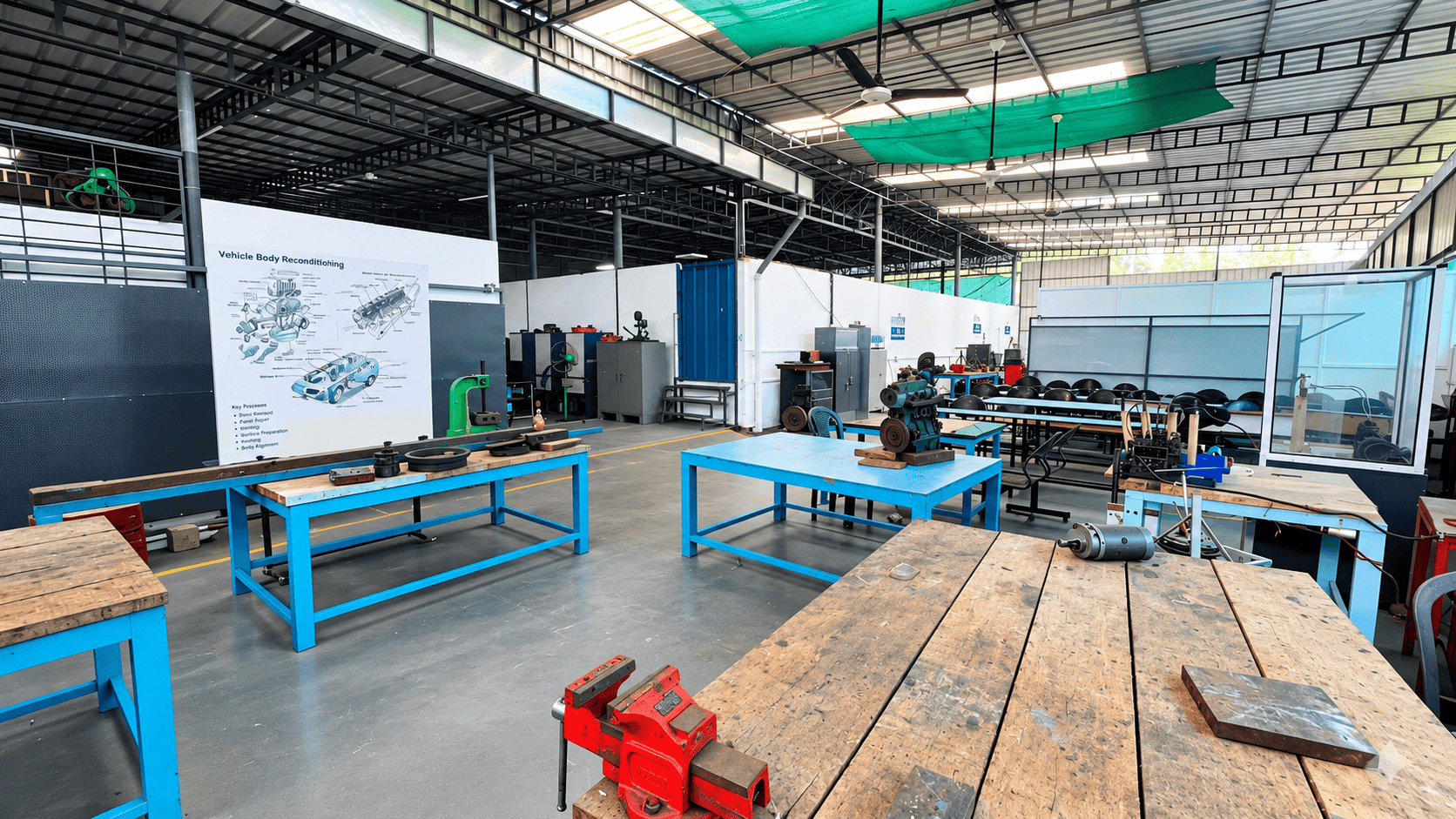
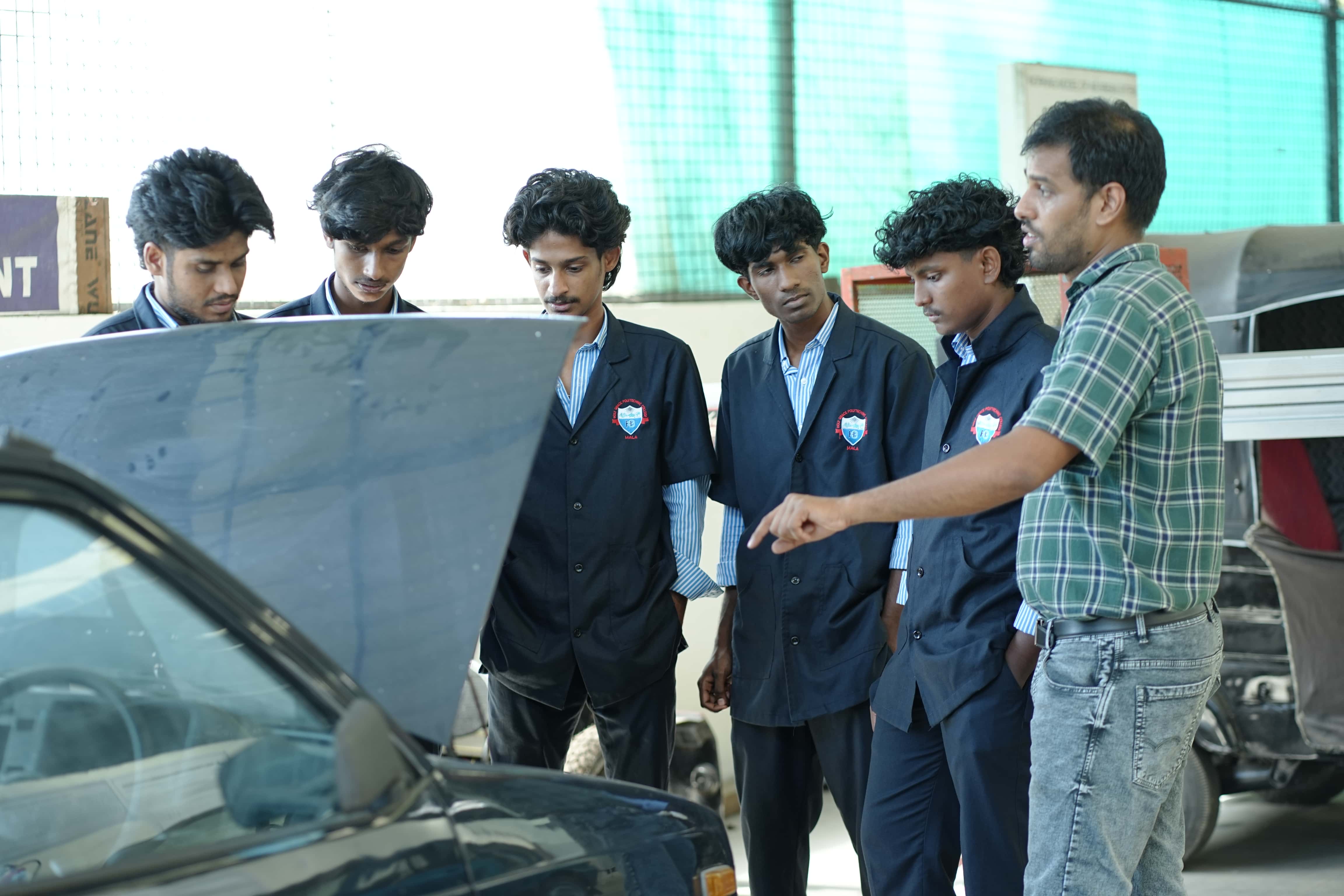
The Auto Auto Electrical and Electronics Lab at Holy Grace Polytechnic College provides students with practical training in modern automotive electrical and electronic systems. The laboratory helps students understand the operation, testing, servicing, and troubleshooting of electrical and electronic components used in automobiles.
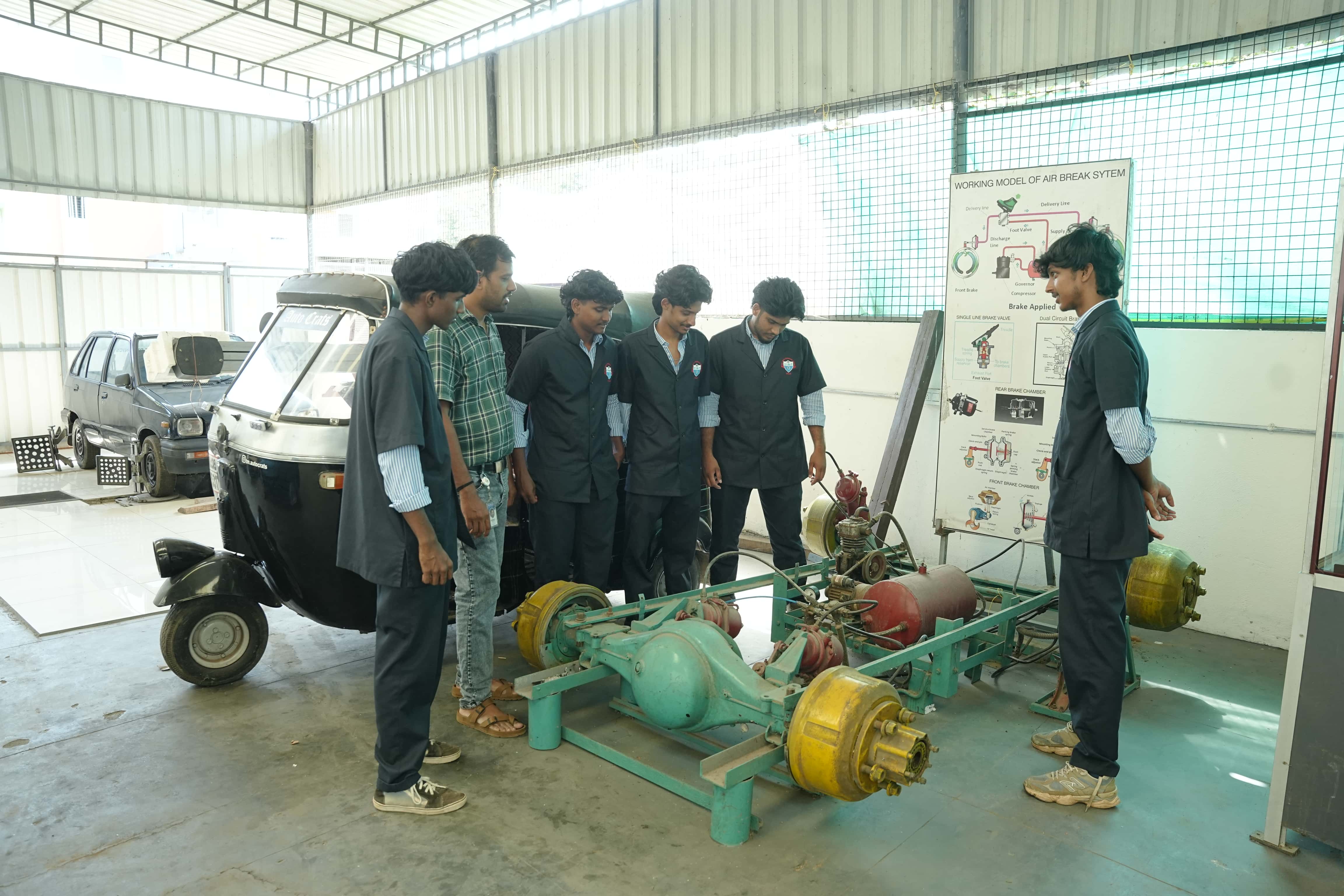
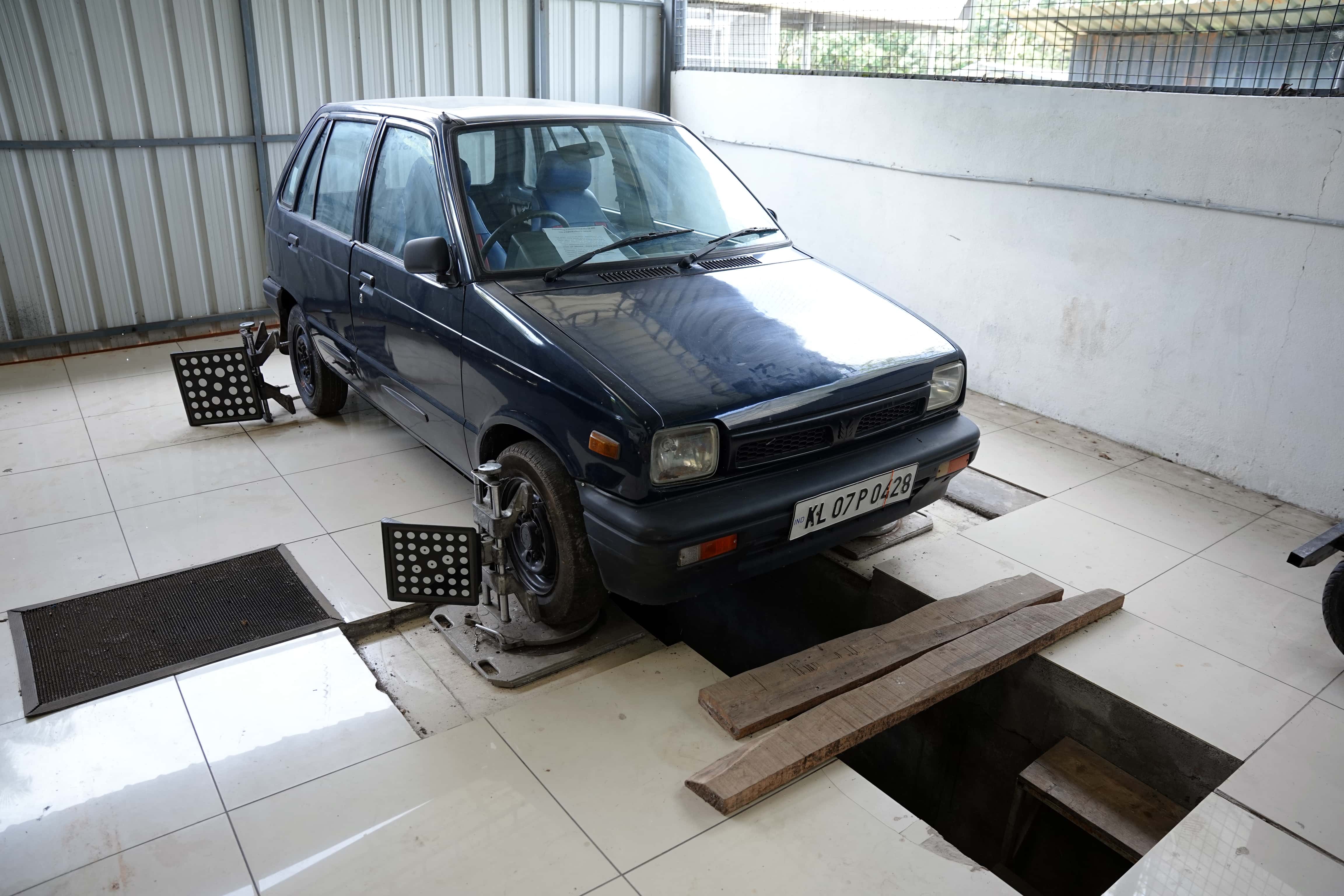
The Vehicle Testing Lab at Holy Grace Polytechnic College provides students with practical exposure to the testing, evaluation, and performance analysis of automobiles. The laboratory helps students understand various vehicle systems and learn how to assess their efficiency, safety, and operating performance using appropriate testing equipment and techniques.
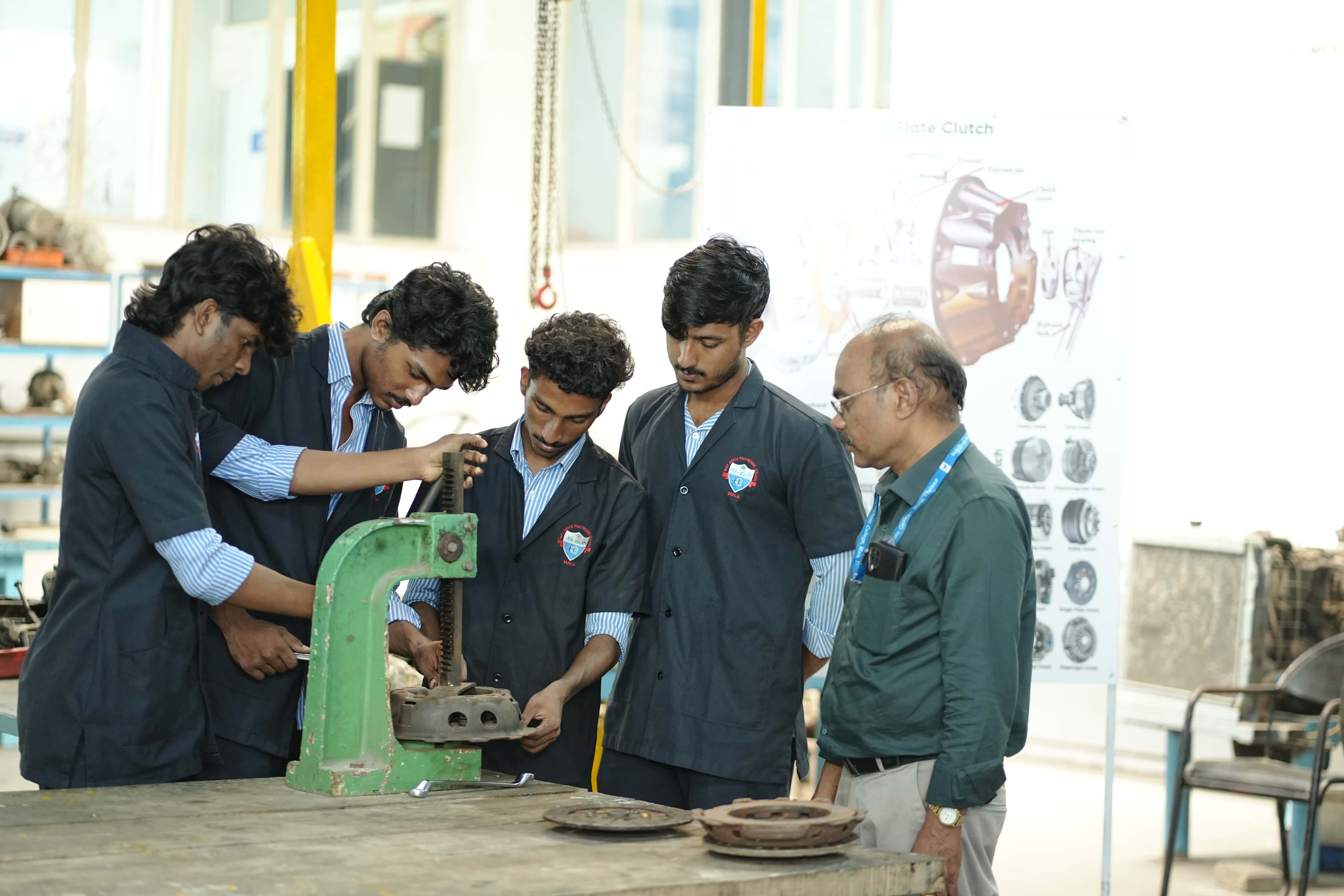
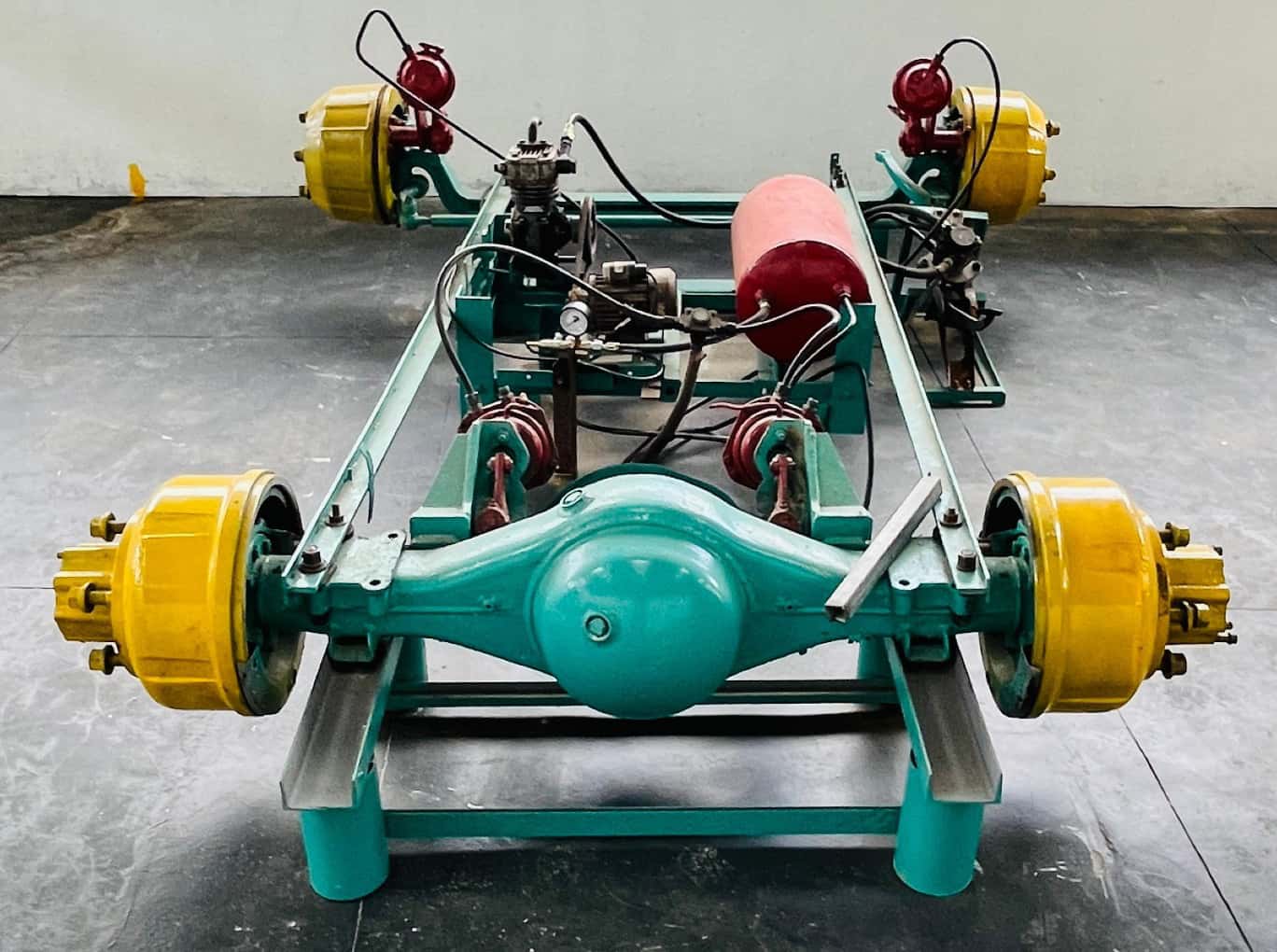
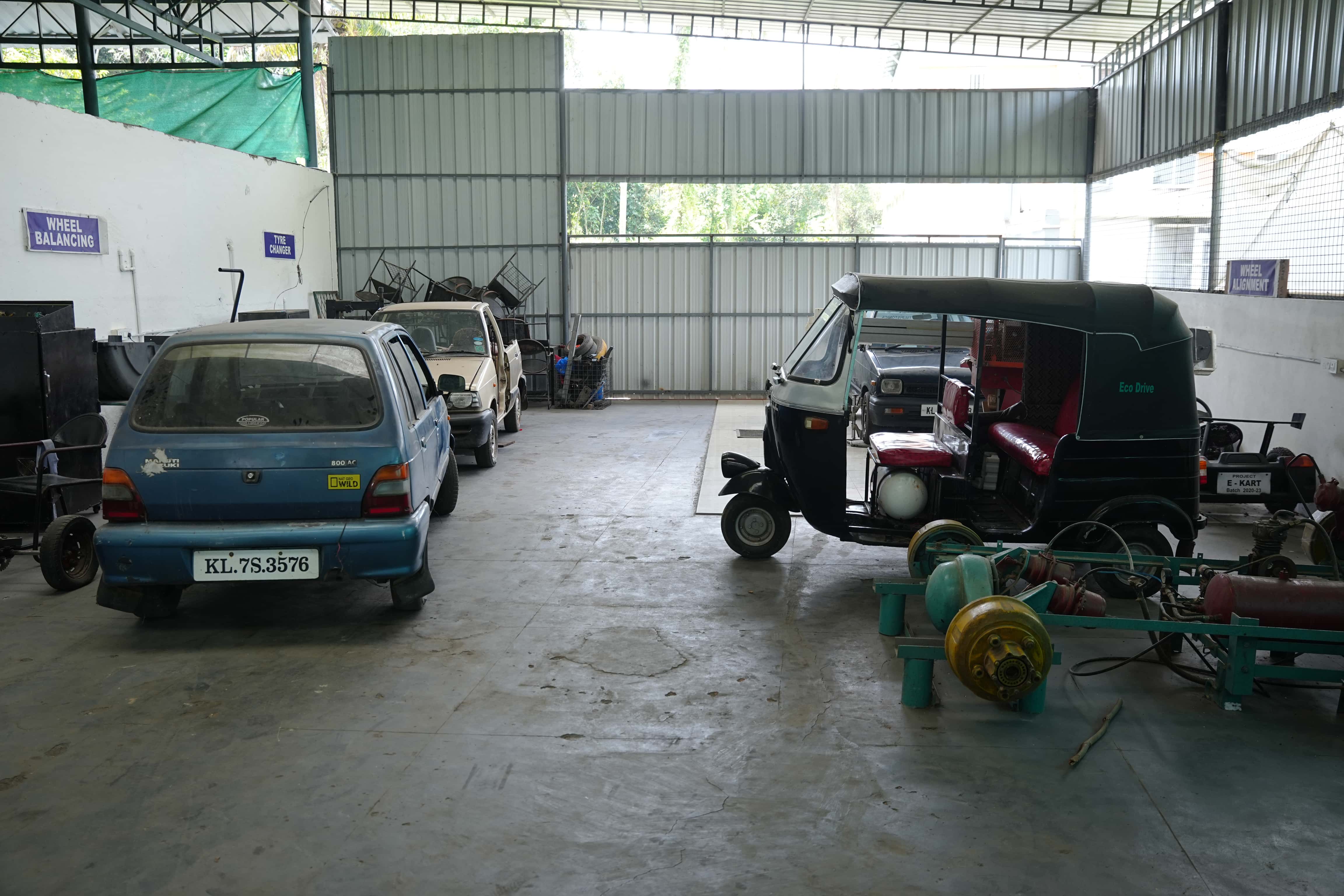
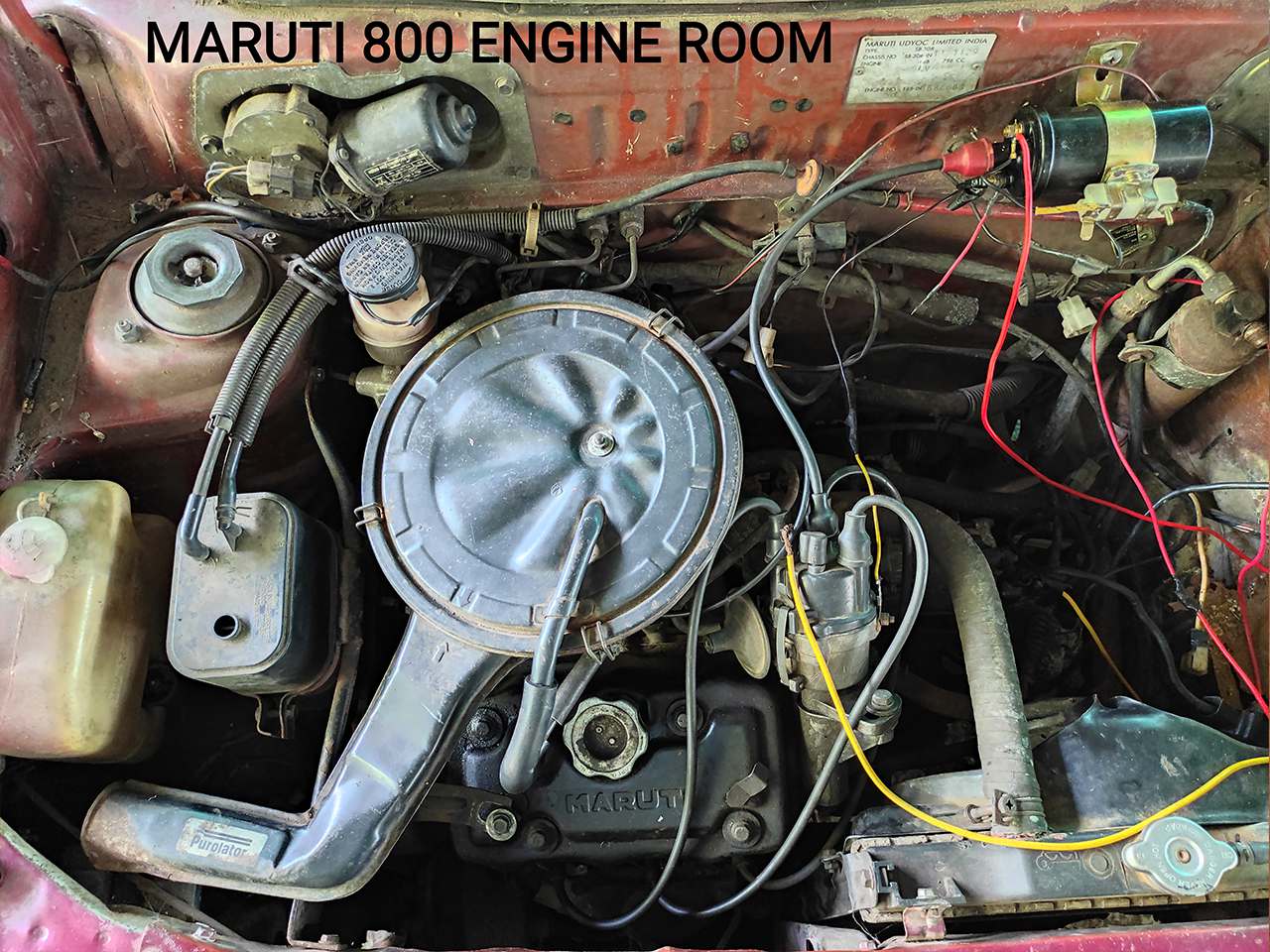
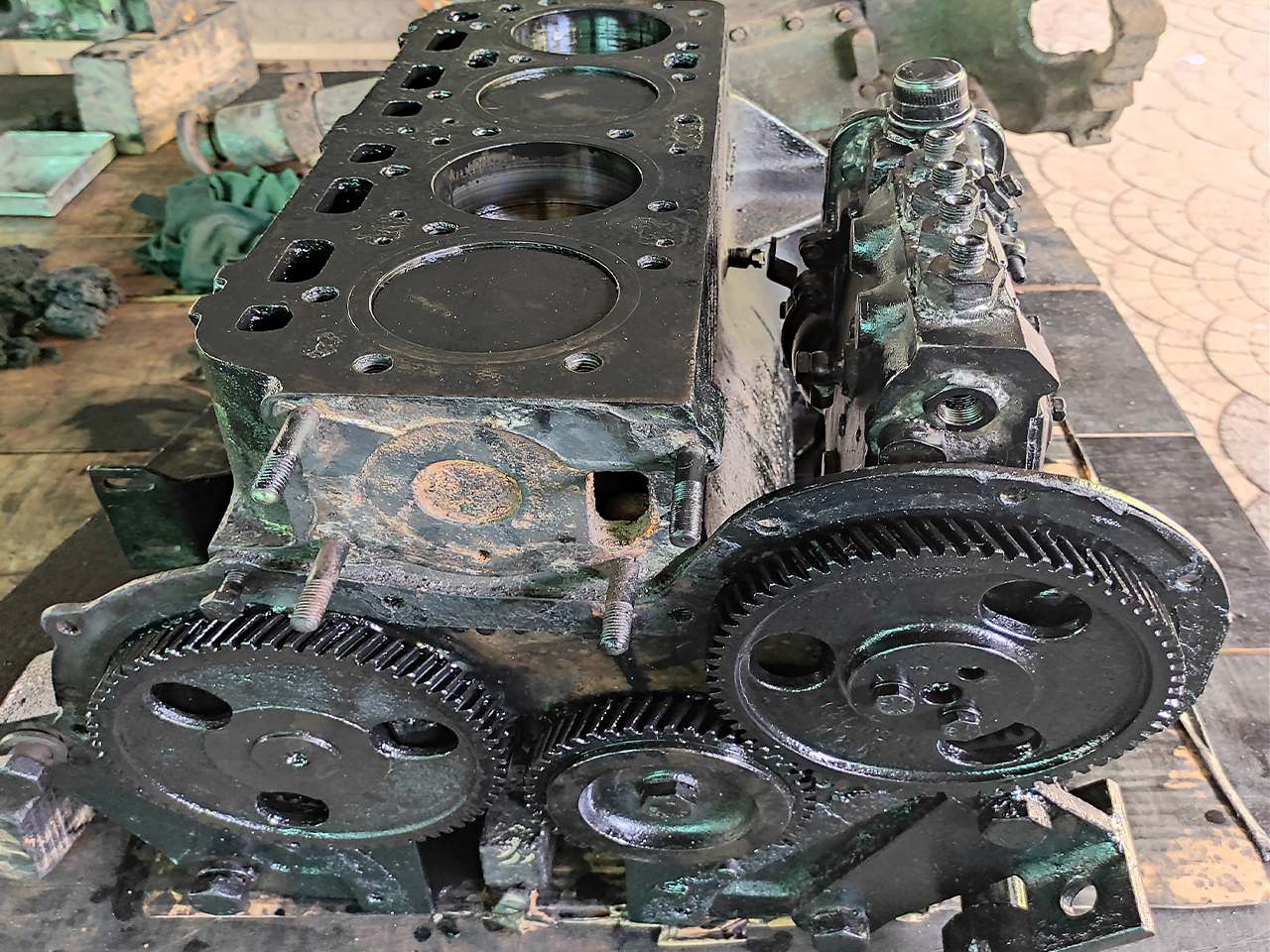
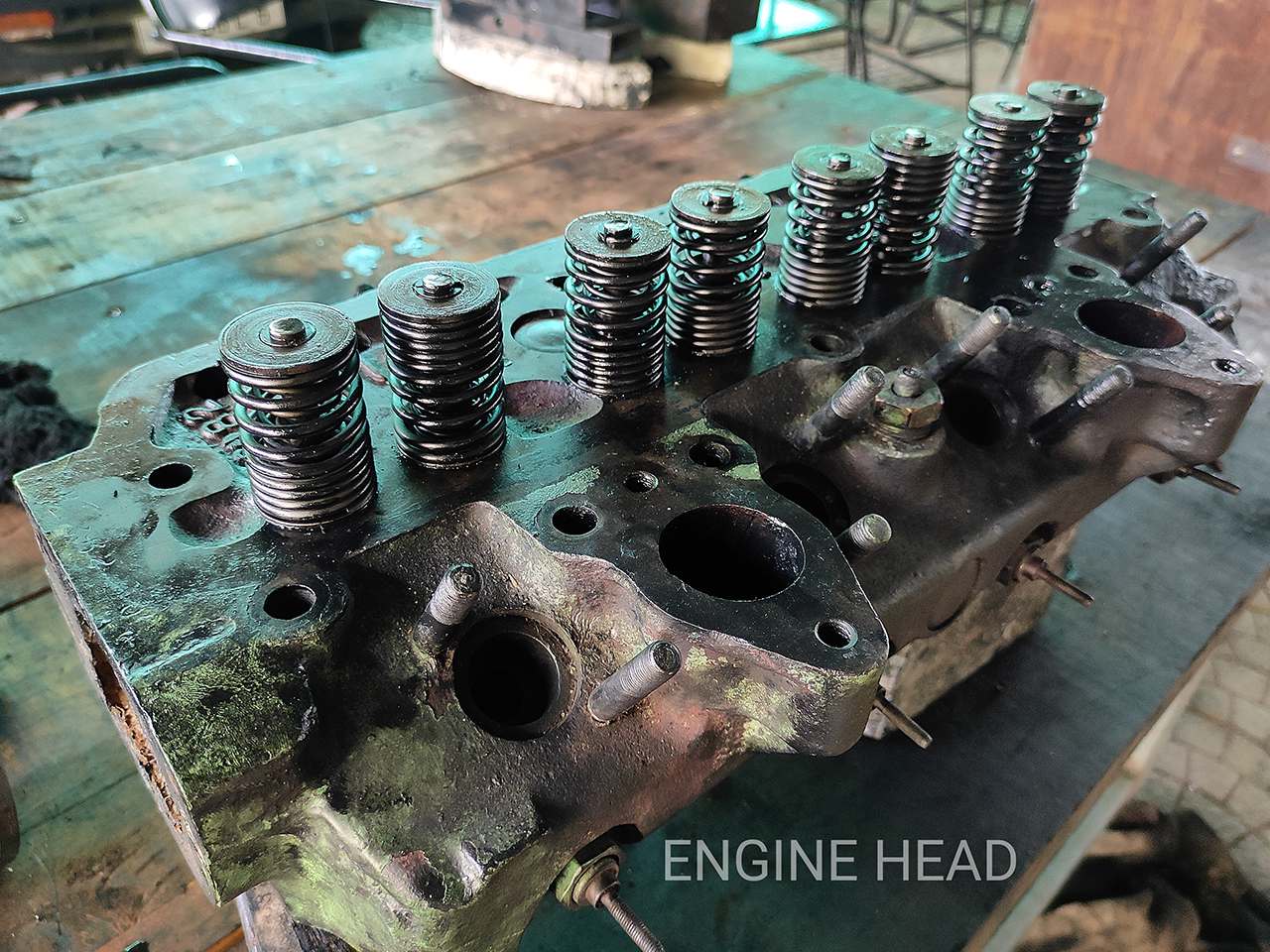
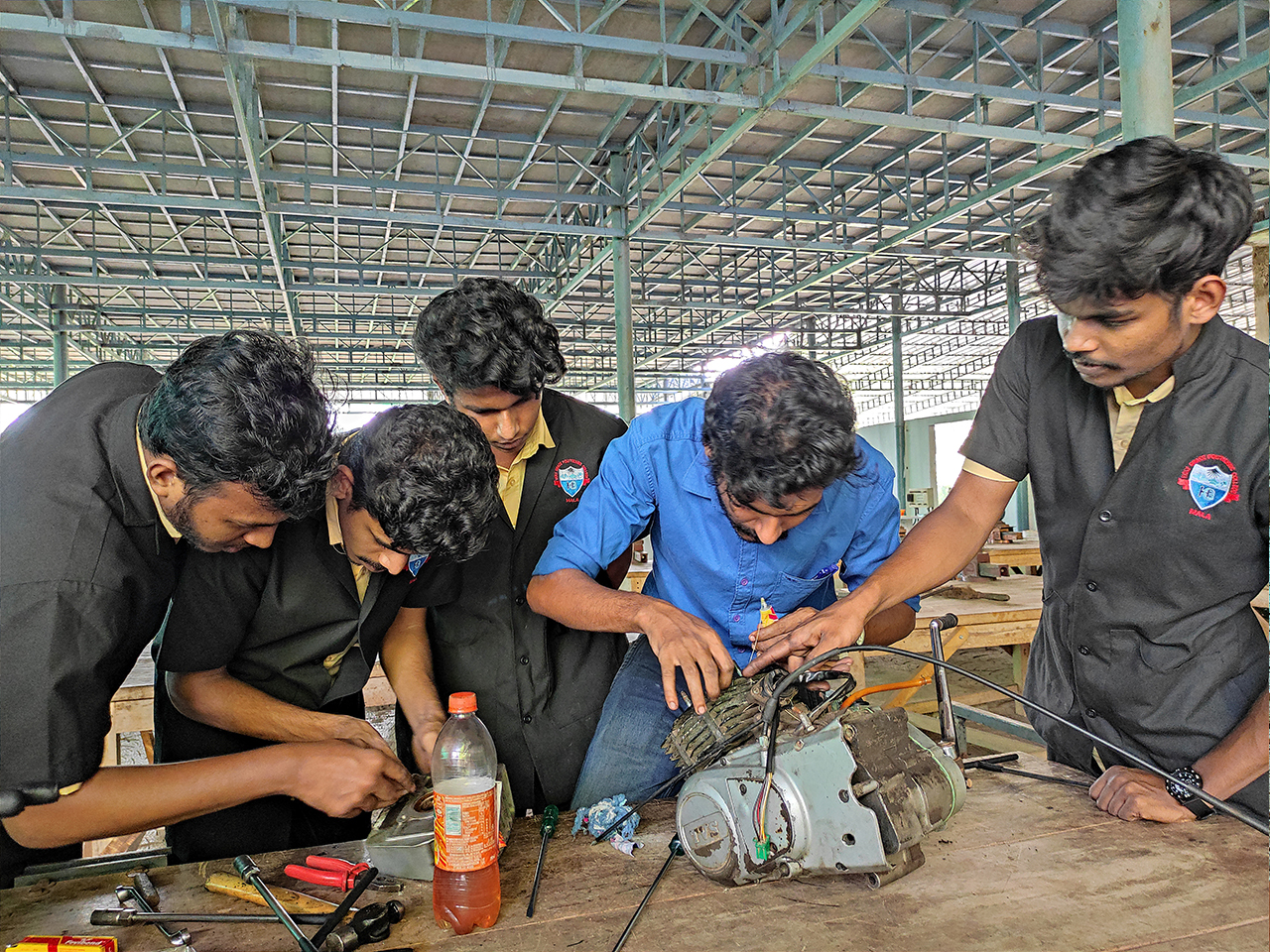
The Automobile Service Lab at Holy Grace Polytechnic College provides students with practical, hands-on training in automobile servicing, maintenance, and repair. The laboratory is equipped with essential tools, equipment, and systems that help students understand the construction, operation, diagnosis, and maintenance of modern automobiles.
Automobile Engineering
Automobile Engineering
Automobile Engineering
Automobile Engineering
Automobile Engineering
Automobile Engineering
Automobile Engineering
Automobile Engineering
Automobile Engineering
Automobile Engineering
Automobile Engineering
Automobile Engineering

Automobile Engineering
Automobile Engineering
Automobile Engineering
Automobile Engineering
Automobile Engineering
Automobile Engineering